Community bird monitoring in the wetlands of Tulum National Park
Bird guide · Community monitoring

Birds of Tulum National Park

More than 140 bird species have been recorded inside the park. This guide, digitized from CONANP's community monitoring program, gathers 40 of the most common ones: how they look, their Maya names, and when to see them.

Community bird monitoring is essential for building strategies to conserve ecosystems and the environmental services they provide to the community. The Tulum National Park monitoring brigade, through the Program for the Protection and Restoration of Ecosystems and Species at Risk (PROREST), produced this guide to identifying some of the common birds of this Protected Natural Area.

More than 140 species have been recorded in Tulum National Park, among them emblematic birds such as the ocellated turkey (Meleagris ocellata), the great curassow (Crax rubra) and the ornate hawk-eagle (Spizaetus ornatus).

40
Species illustrated
20
Families
3
Yucatan endemics
140+
Species in the park
How to read this guide

Each entry gathers the bird's names, its seasonality and its risk category under Mexico's NOM-059 standard.

Seasonality
ResidentLives in the park all year round.
MigratoryVisits the park in a particular season.
Risk category (NOM-059)
PEndangered
AThreatened
PrSubject to special protection
EndemicFound only in the Yucatan Peninsula
The birds, family by family

Photographs from the community monitoring itself; each photographer's credit is preserved.

Pelecanidae1 species
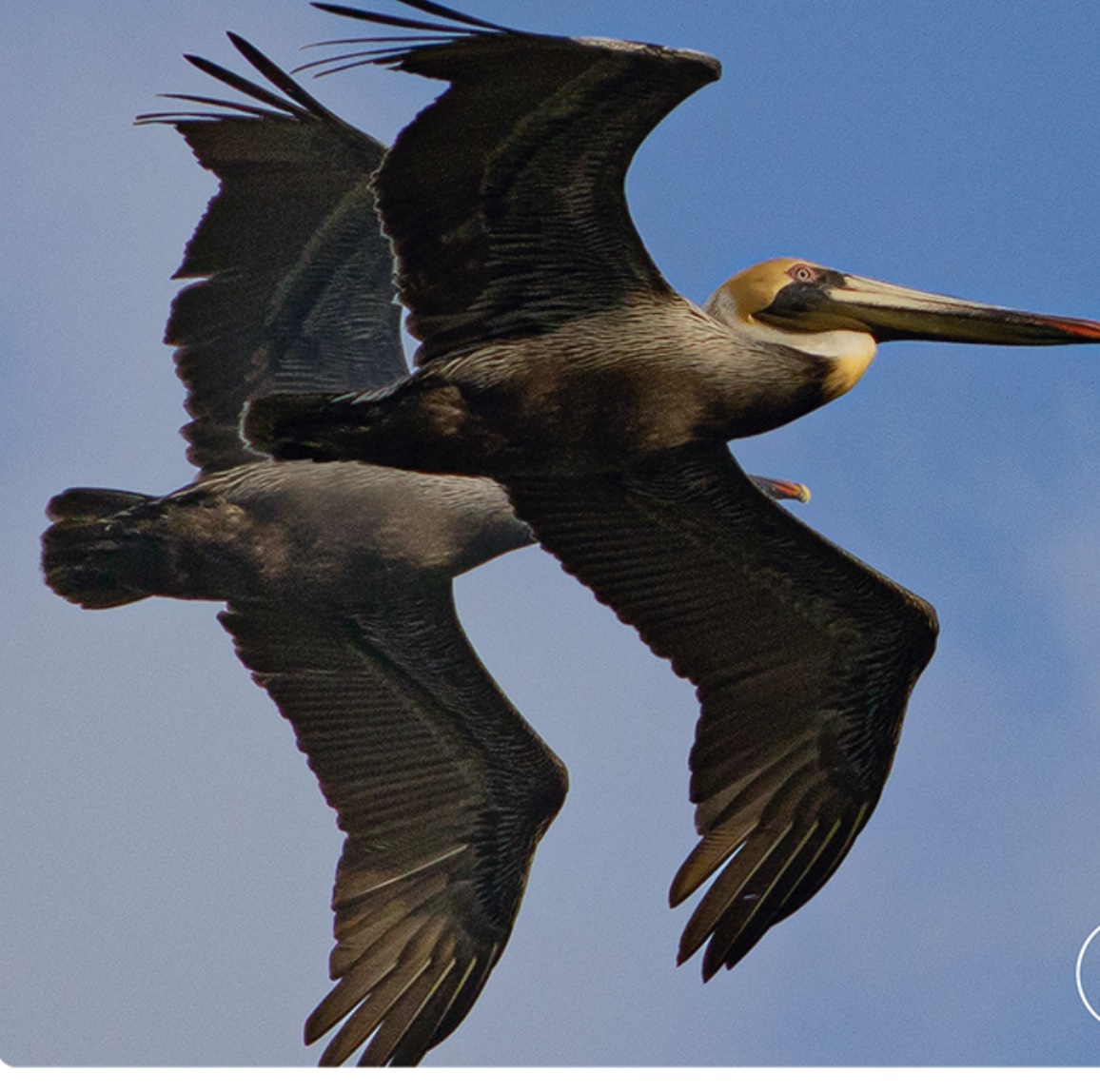
Brown pelican — Pelecanus occidentalis
Pelecanus occidentalis

Brown pelican

MayaP'onto'
In SpanishPelícano café
Resident

Large seabird (122 cm); juveniles have a bright brown head that gradually turns white-and-yellow in adults. Ranges from the United States to Venezuela.
Ardeidae1 species
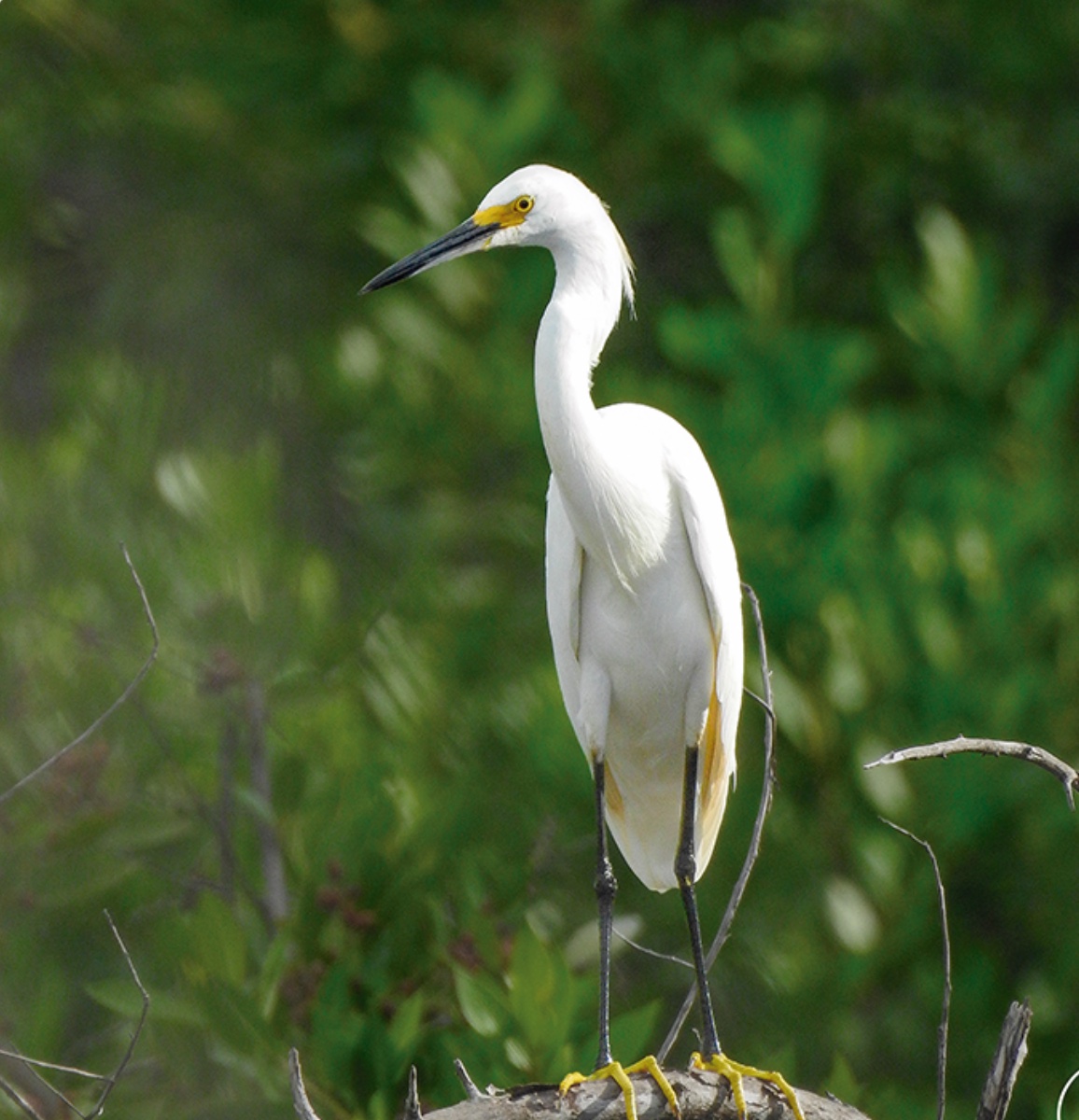
Snowy egret — Egretta thula
Egretta thula

Snowy egret

MayaKa'an ook
In SpanishGarza dedos dorados
Resident

Large wading bird (60 cm). Juveniles and non-breeding adults have green legs with black in front; breeding adults have black legs. All show bright yellow feet, a black bill and a yellow eye-ring. Ranges from the United States to South America.

Fregatidae1 species
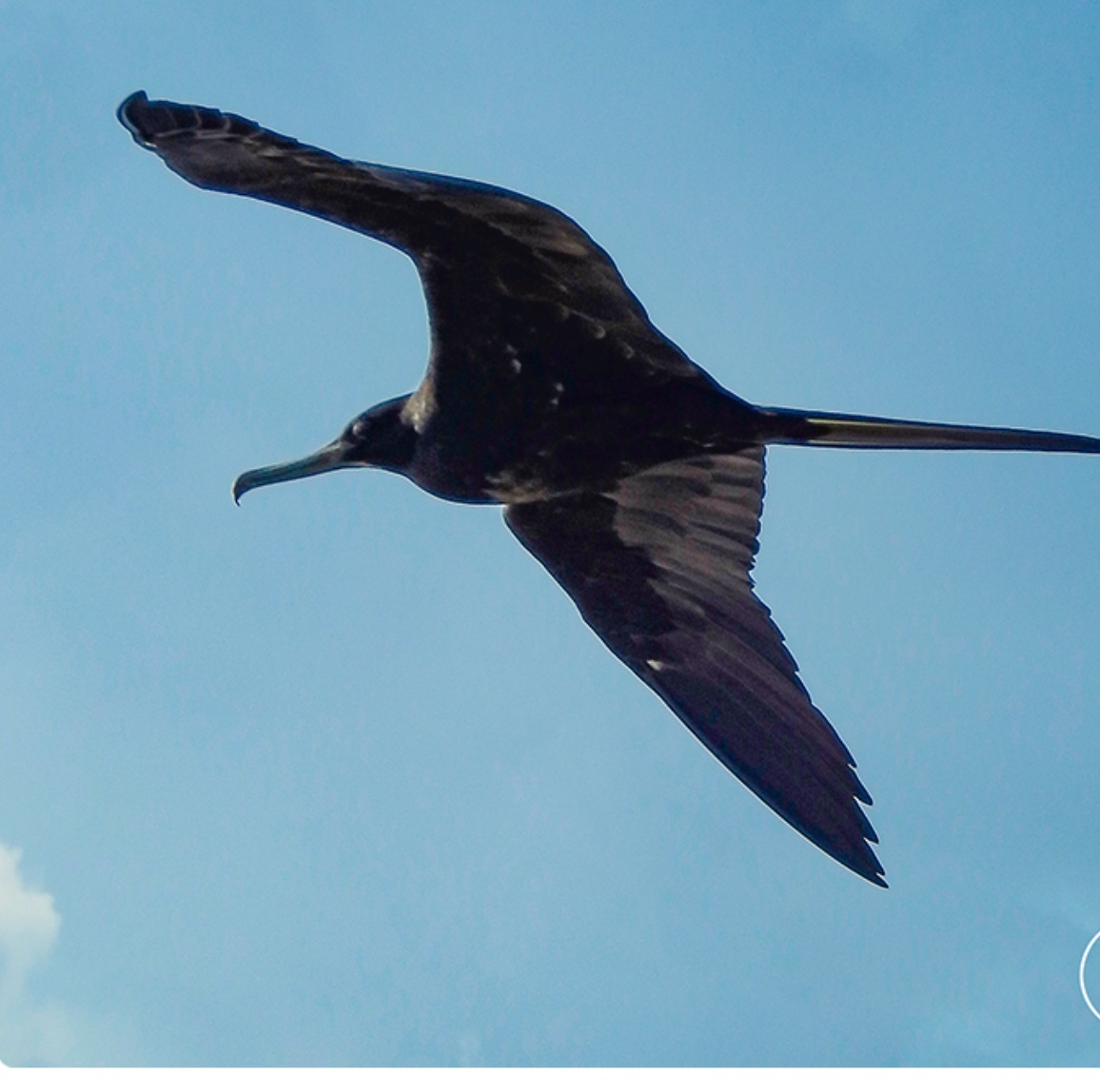
Magnificent frigatebird — Fregata magnificens
Fregata magnificens

Magnificent frigatebird

MayaChimay
In SpanishFragata tijereta
Resident

Large black seabird (102 cm). The male has a red throat pouch (gular sac); the female has a white breast and juveniles a white head. Deeply forked, scissor-like tail. Ranges from the southwestern United States to southern Ecuador.

Cathartidae1 species
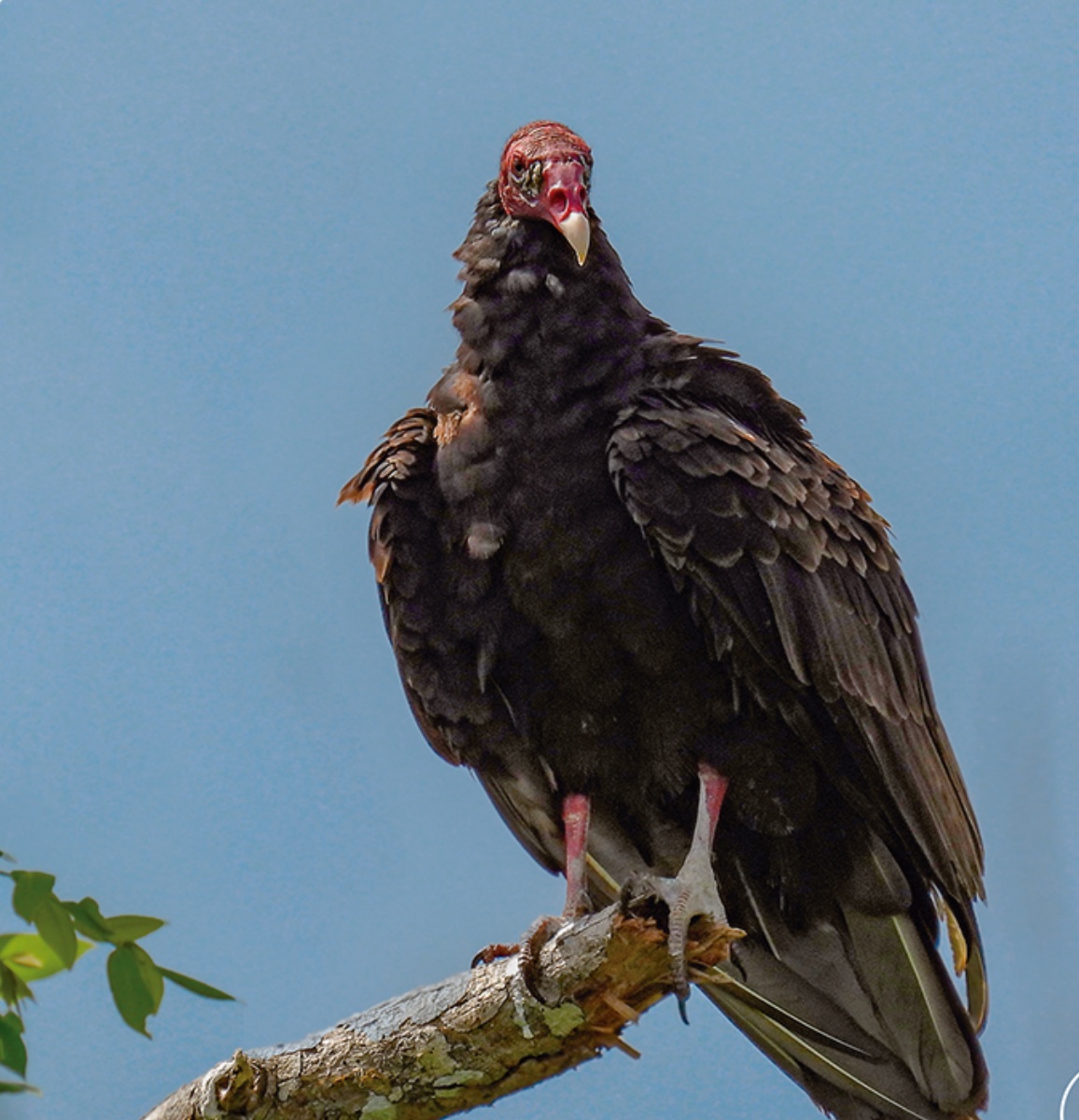
Turkey vulture — Cathartes aura
Cathartes aura

Turkey vulture

MayaChak pool ch'oom
In SpanishZopilote aura
Resident

Large scavenger (71 cm) recognized by its bald head, red in adults and gray in juveniles. The underwing shows black feathers in front and gray behind. Ranges from Canada to South America.

Strigidae1 species
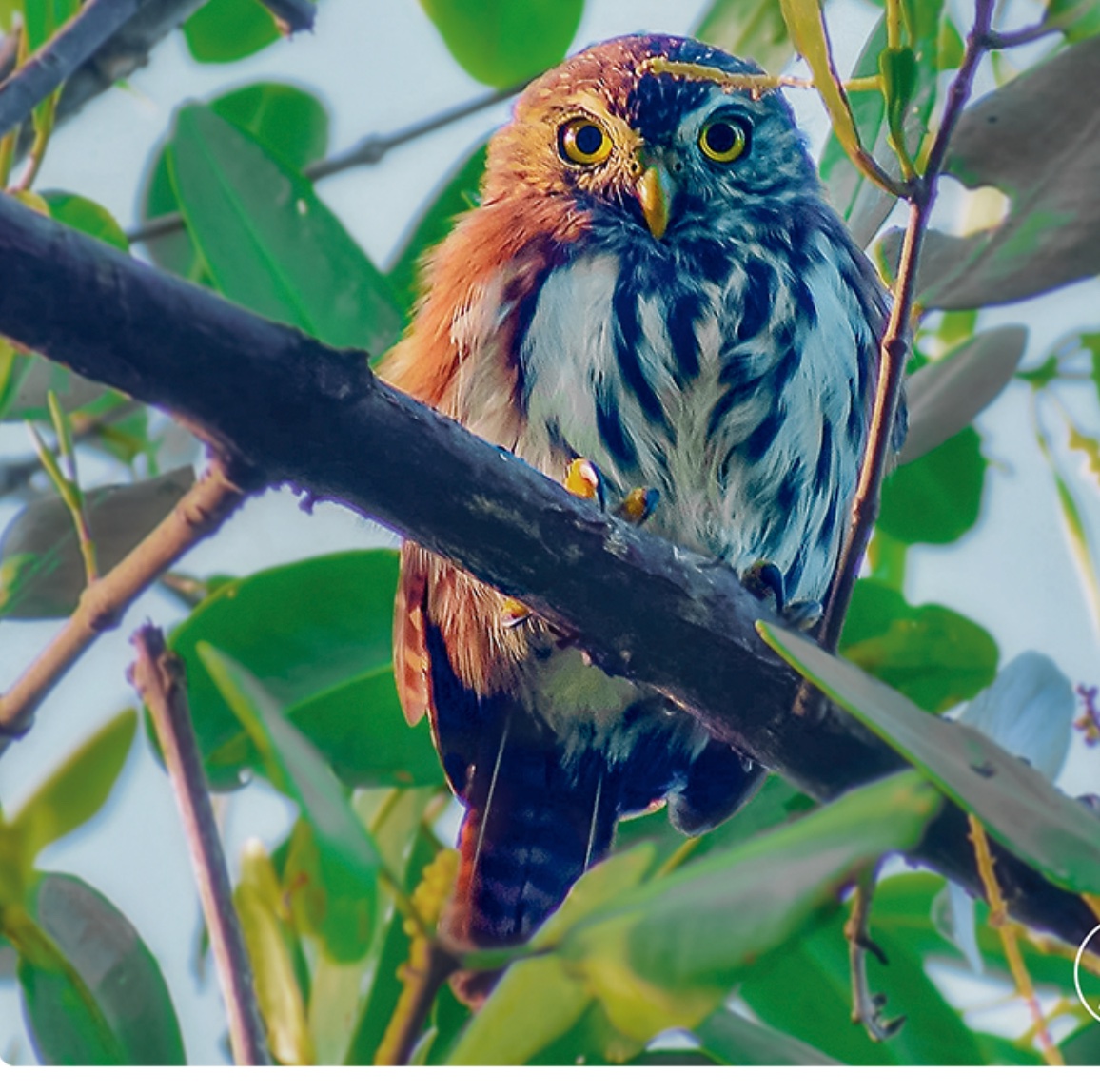
Ferruginous pygmy-owl — Glaucidium brasilianum
Glaucidium brasilianum

Ferruginous pygmy-owl

MayaTo'aka xnuk
In SpanishTecolote bajeño
Resident

Tiny owl (18 cm) with rufous and brown morphs, a rufous tail barred with dark lines, and fine white streaks on the crown. Ranges from the southwestern United States to northern Argentina.

Pandionidae1 species
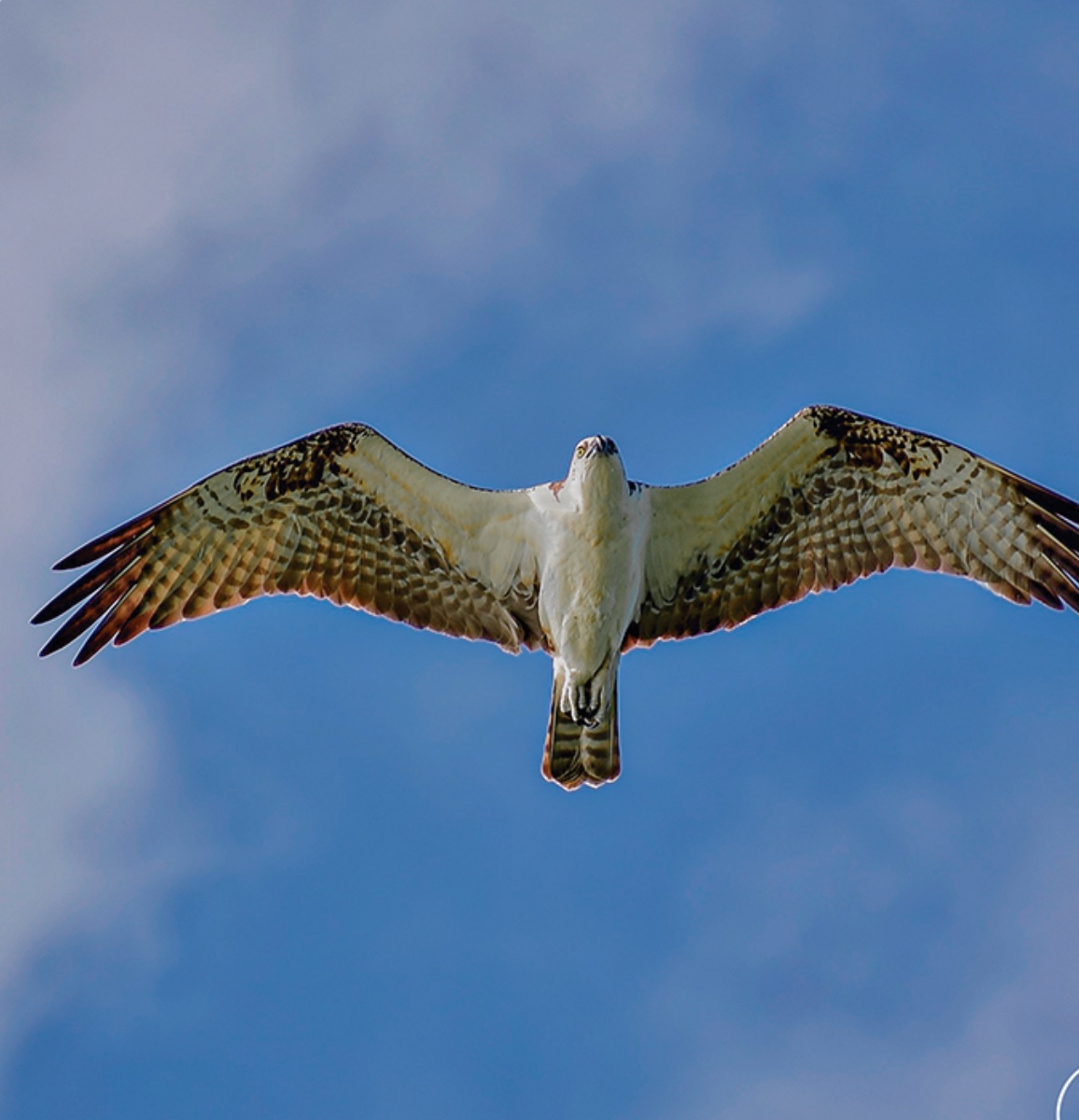
Osprey — Pandion haliaetus
Pandion haliaetus

Osprey

In SpanishÁguila pescadora
Resident

Large raptor (62 cm). Head and underparts mostly white, back dark brown, with a brown band running from the eye down to the nape. Found nearly worldwide, except South America.

Columbidae2 species
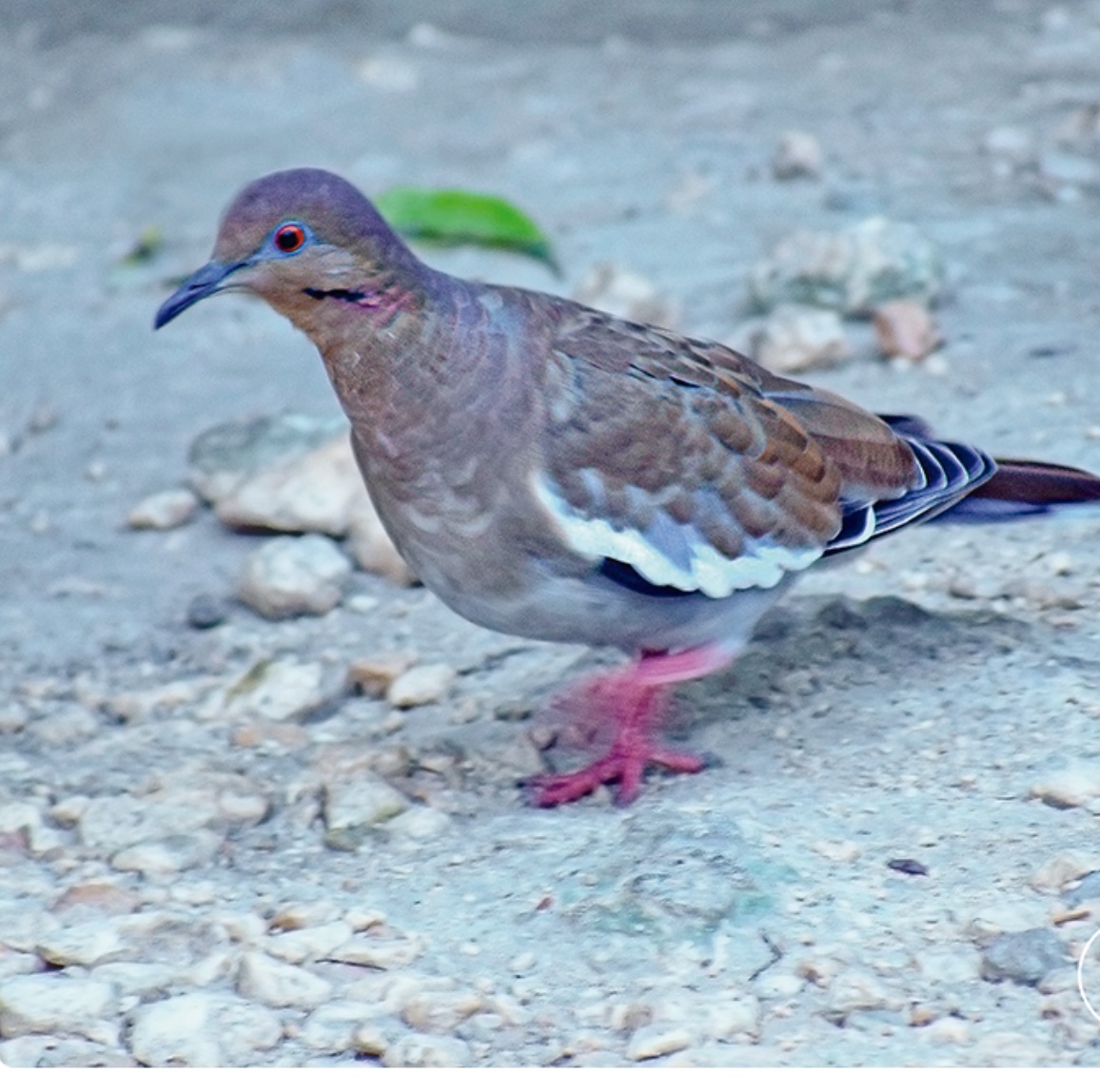
White-winged dove — Zenaida asiatica
Zenaida asiatica

White-winged dove

MayaSaak pakal
In SpanishPaloma alas blancas
Resident

Common regional dove (30 cm), brown, distinguished as the only one with large white bands on the lower edge of the wing, very obvious in flight. Widespread across the Americas.

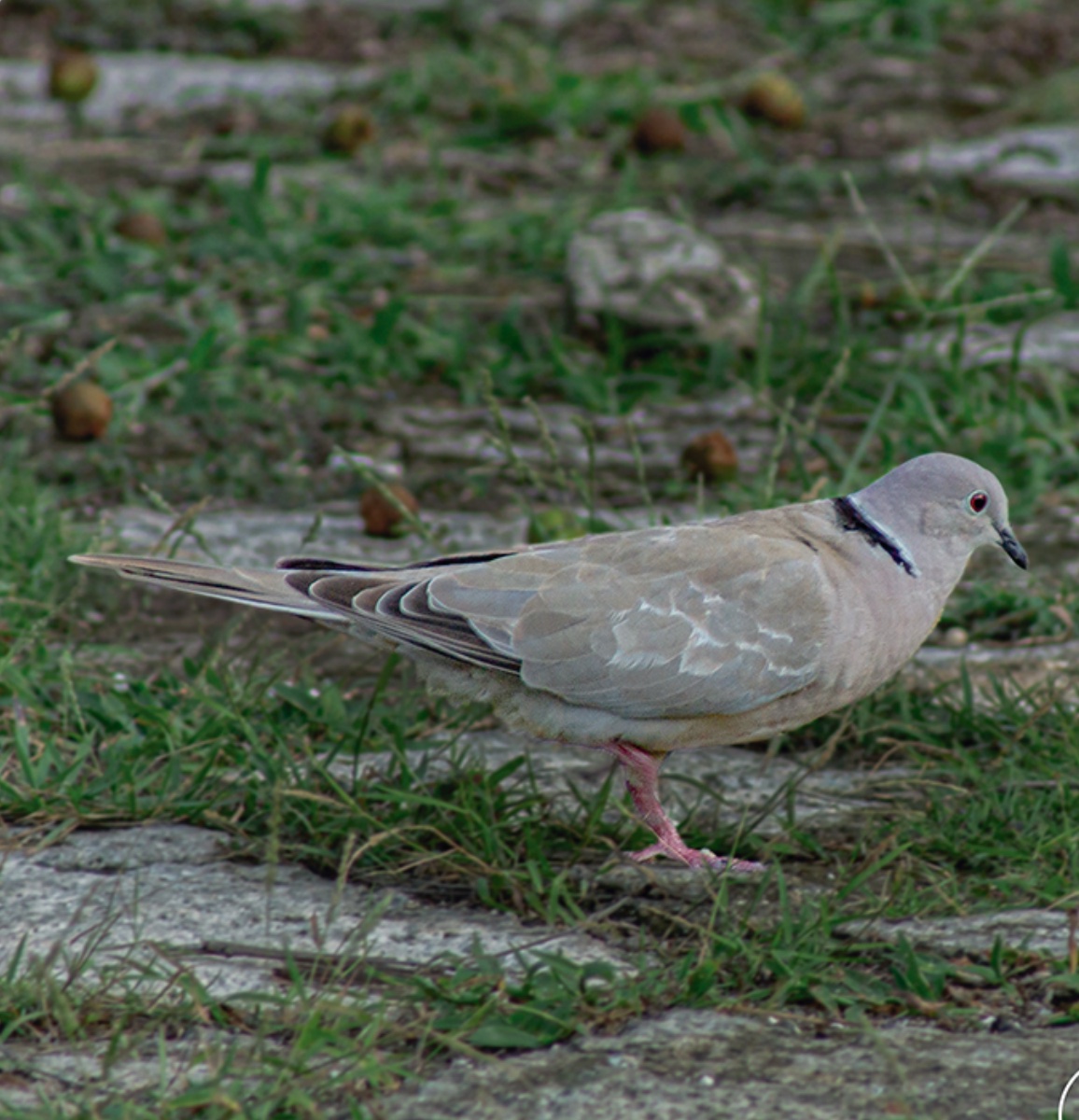
Eurasian collared-dove — Streptopelia decaocto
Streptopelia decaocto

Eurasian collared-dove

In SpanishPaloma de collar turca
Resident

Common regional dove (32 cm) with a beige body and pale brown tail, marked by a black half-moon collar on the nape. Ranges from Canada to the Caribbean.

Psittacidae2 species
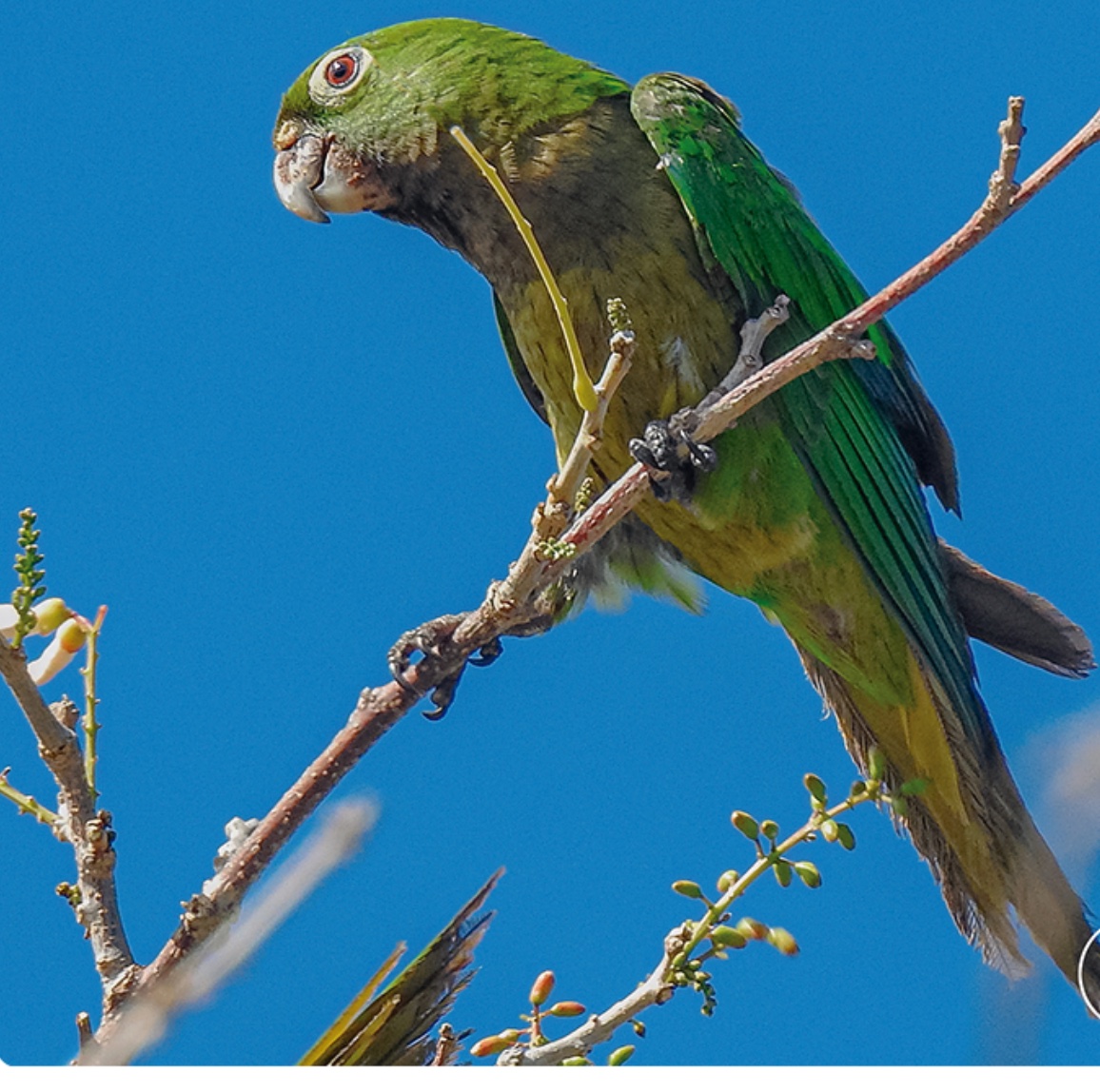
Olive-throated parakeet — Eupsittula nana
Eupsittula nana

Olive-throated parakeet

MayaX k'ili'
In SpanishPerico pecho sucio
Pr · Special protectionResident

Medium bird (23 cm) with green plumage, an olive-brown breast and a white eye-ring. Long, pointed tail. Ranges from eastern Mexico to western Panama.

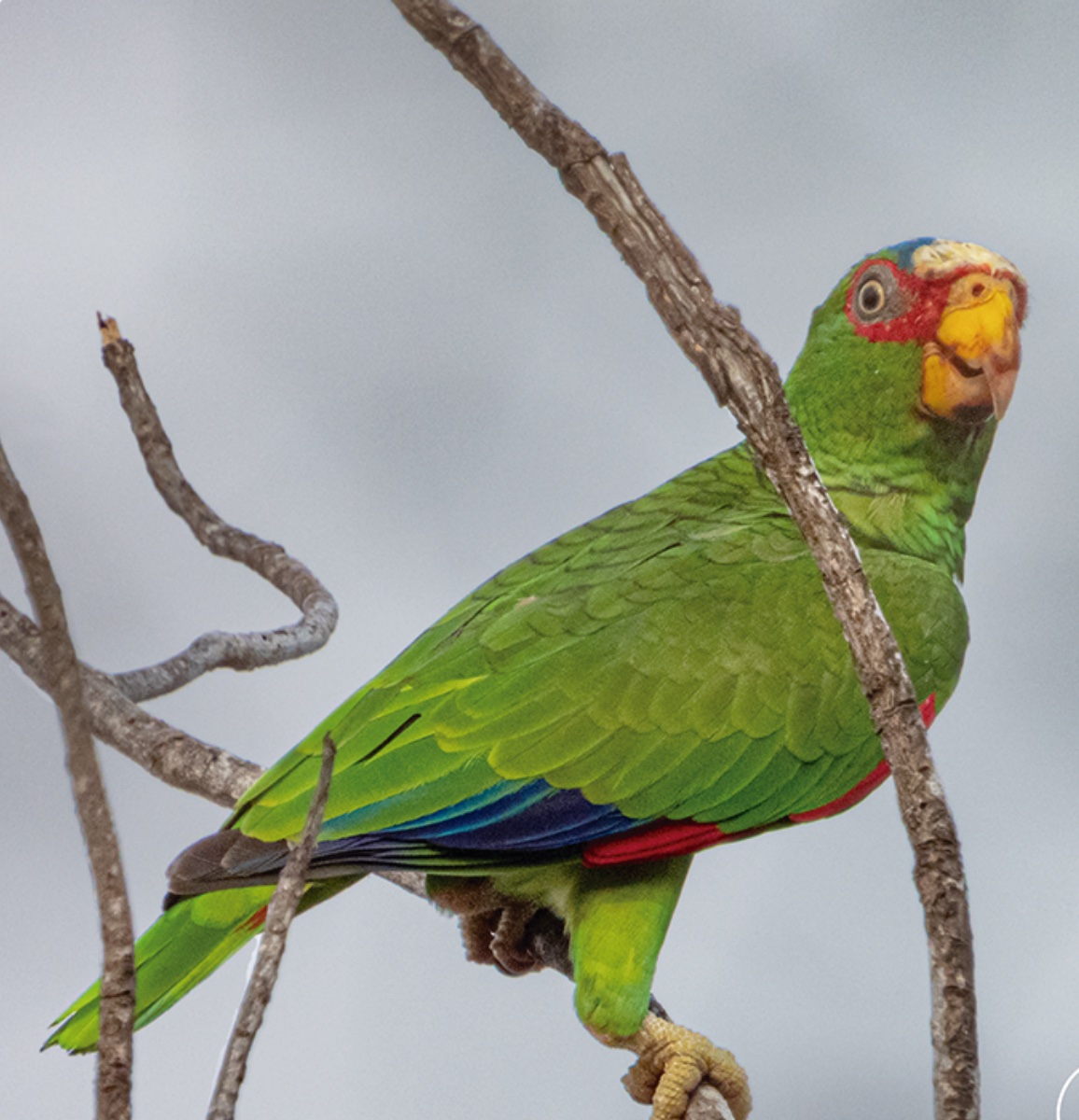
White-fronted parrot — Amazona albifrons
Amazona albifrons

White-fronted parrot

MayaSak pool xt'uut
In SpanishLoro frente blanca
Pr · Special protectionResident

Medium bird (27 cm) with a white forehead, red face and yellowish bill. In flight the male shows a red patch on the leading edge of the wing. Similar to the Yucatan parrot but without dark cheek marks or a yellow forehead. Ranges from Mexico to Costa Rica.

Trogonidae1 species
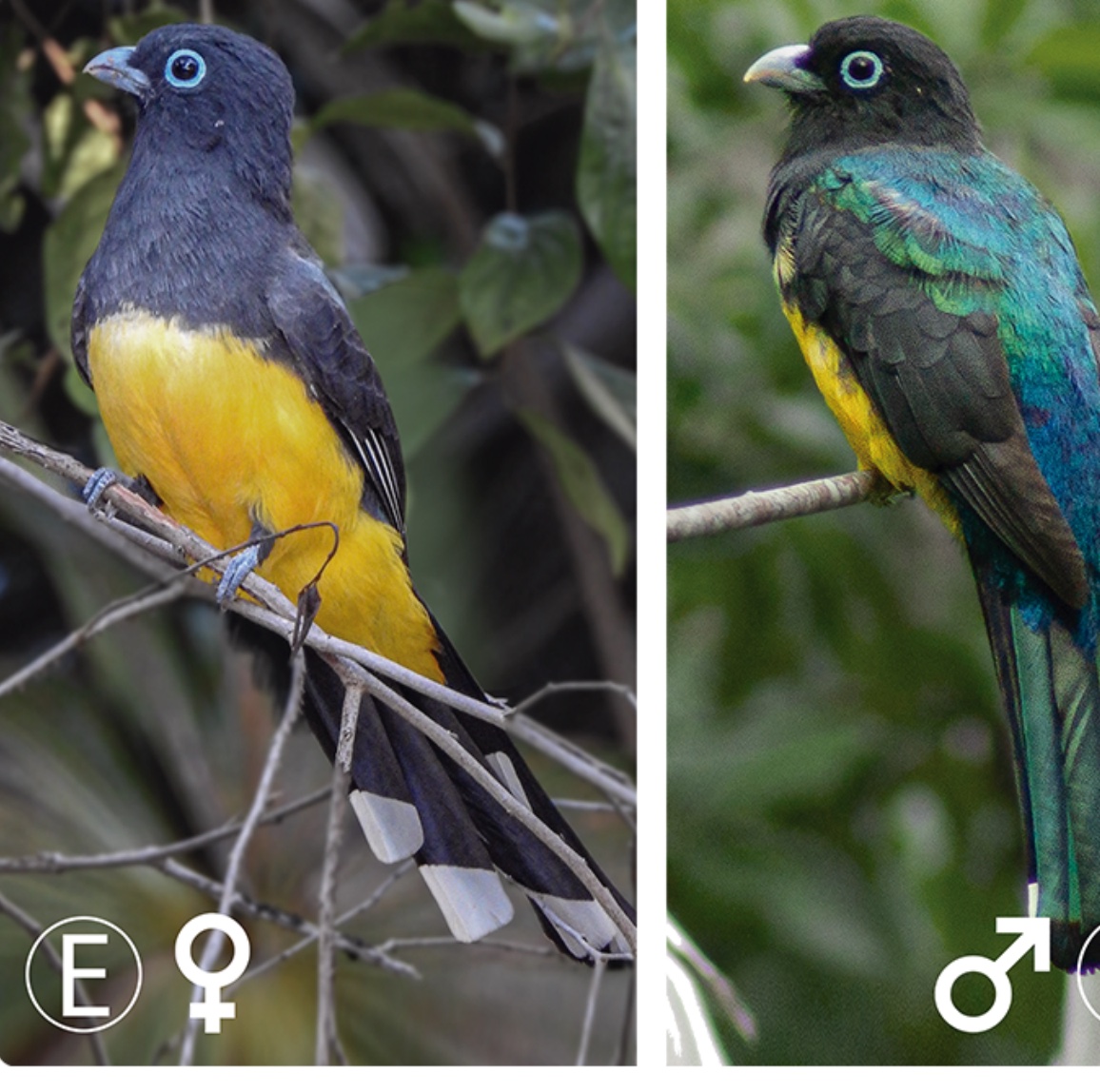
Black-headed trogon — Trogon melanocephalus
Trogon melanocephalus

Black-headed trogon

MayaKuxtin, Úulum kaax
In SpanishCoa cabeza negra
Resident

Medium-sized trogon (27 cm), recognized by its eye-ring and the white blocks on the underside of the tail. The male differs from the female by its black head and blue-green back. Ranges from southeastern Mexico to northern Costa Rica.

Vireonidae3 species
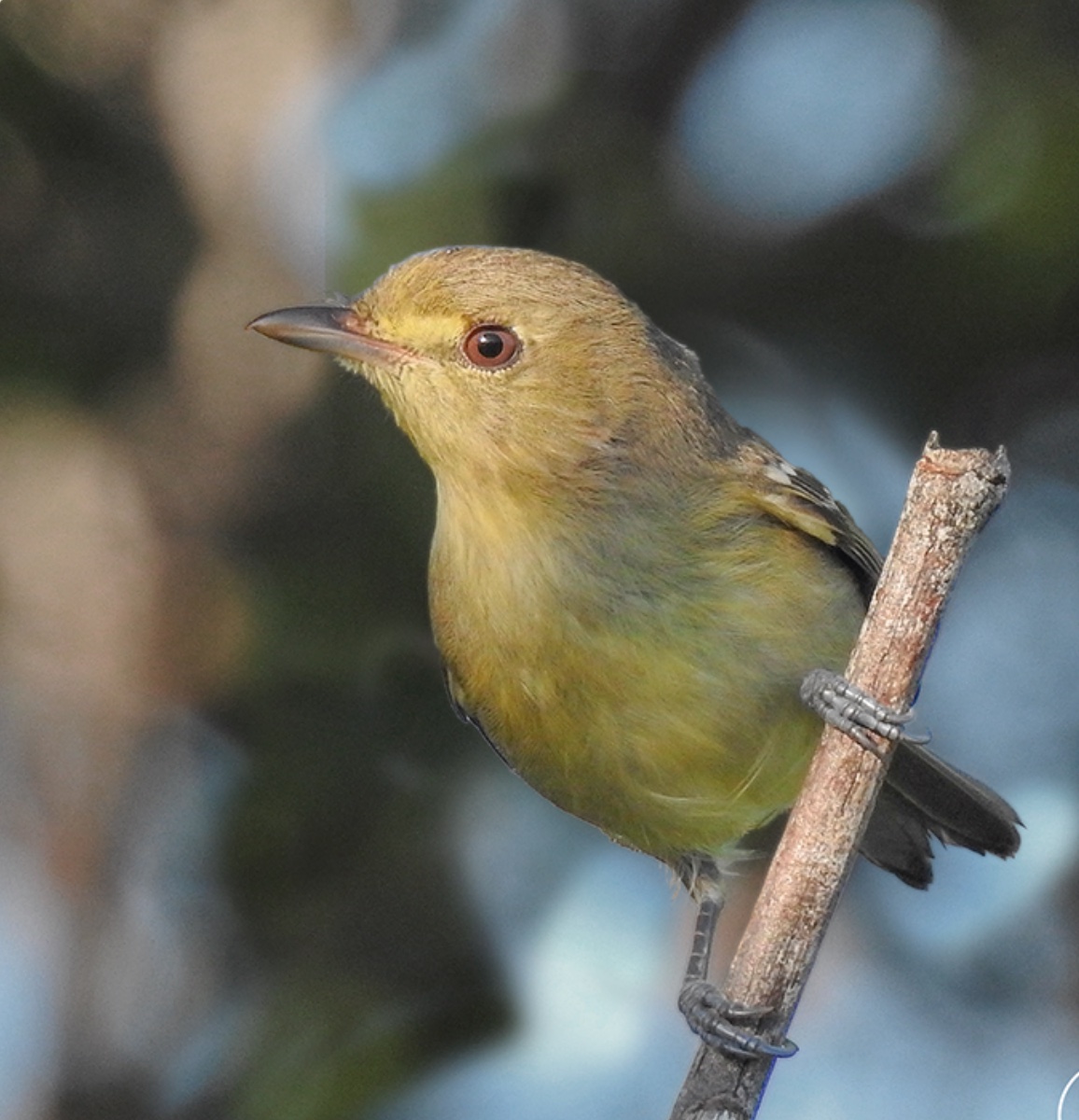
Mangrove vireo — Vireo pallens
Vireo pallens

Mangrove vireo

In SpanishVireo manglero
Pr · Special protectionResident

Small bird (11 cm), grayish yellow. Identified by white wing bars and the yellow spot between the eye and bill. Similar to the white-eyed vireo but without an eye-ring and with yellow on breast and throat. Ranges from Mexico to Costa Rica.

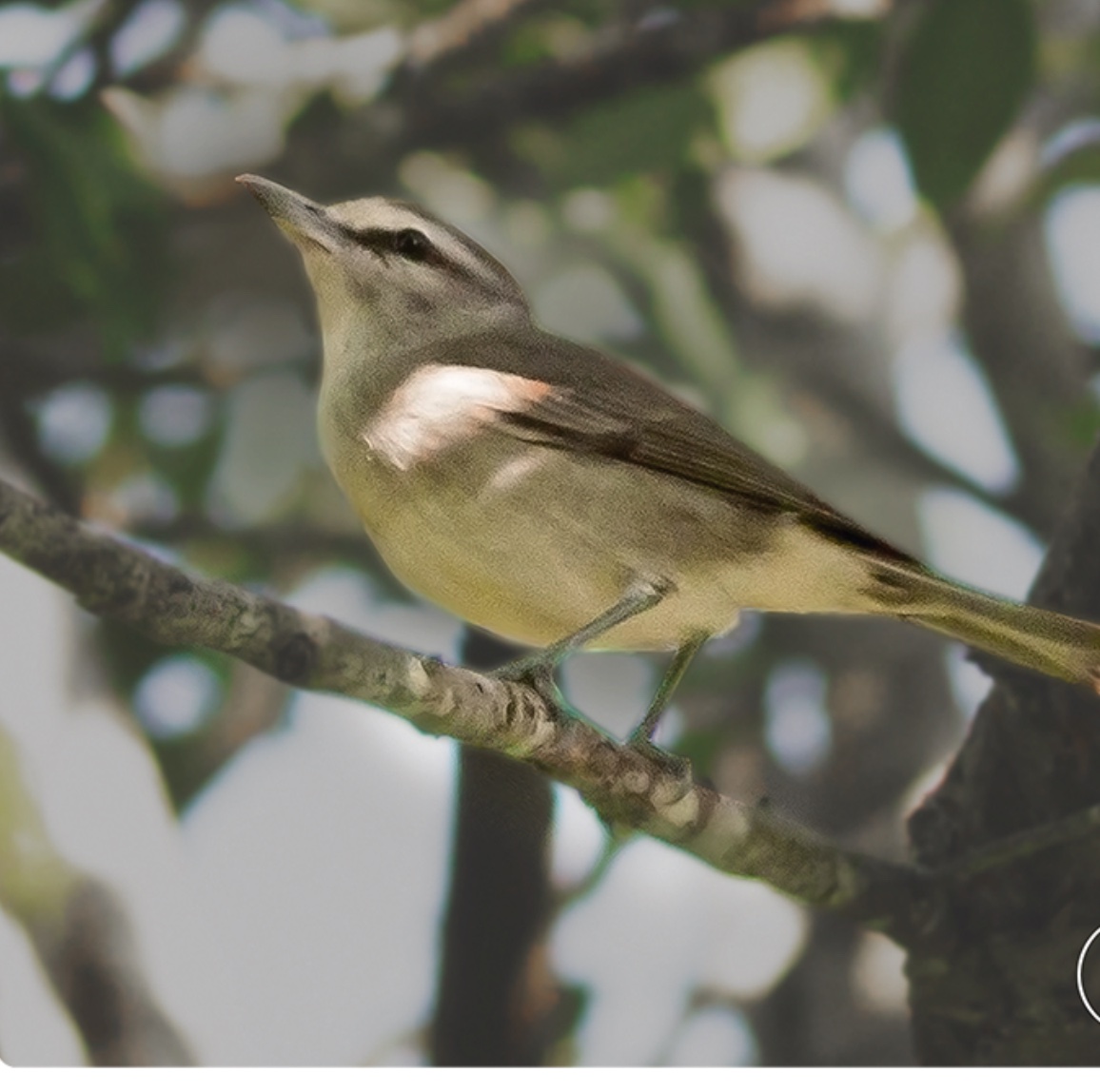
Yucatan vireo — Vireo magister
Vireo magister

Yucatan vireo

In SpanishVireo yucateco
EndemicResident

Small bird (15 cm) with an olive-gray back and pale yellow belly, a dark line through the eye and a broad white eyebrow. Endemic to the region: found in Quintana Roo and on islands off Belize and Honduras.

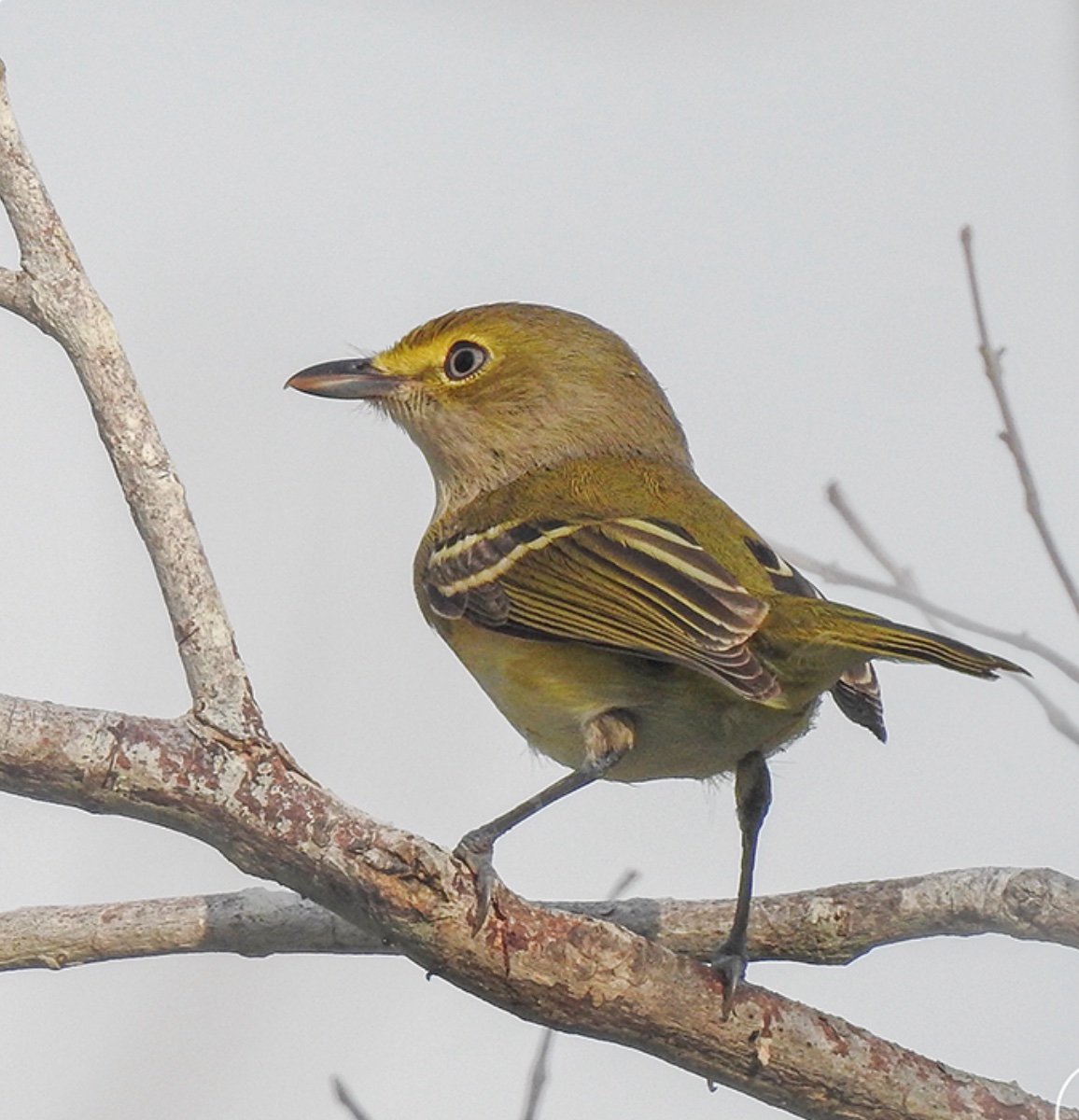
White-eyed vireo — Vireo griseus
Vireo griseus

White-eyed vireo

In SpanishVireo ojos blancos
Migratory

Small bird (11 cm), similar to the mangrove vireo. Marked by white eyes, yellow eyebrow and eye-ring, olive back, white wing bars and yellow flanks. Ranges from the eastern United States to Nicaragua, wintering in the Yucatan Peninsula.
Parulidae6 species
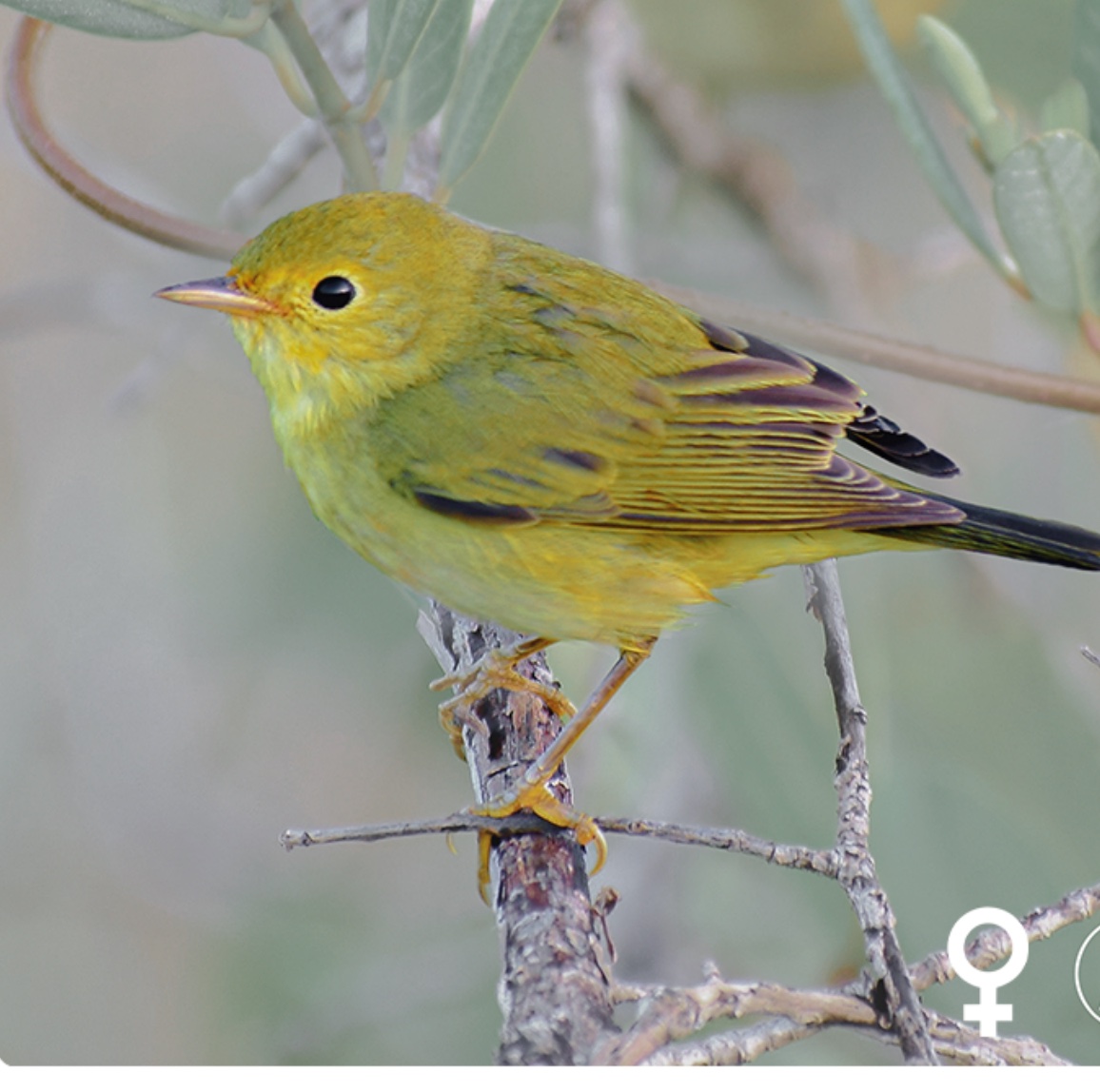
Yellow warbler — Setophaga petechia
Setophaga petechia

Yellow warbler

In SpanishChipe amarillo
Migratory

Small bird (12 cm); a yellow face frames the black eyes, plumage mostly yellow with dark tips. Males show rufous streaks on the breast. Ranges from Canada to Peru, wintering in the Yucatan Peninsula.

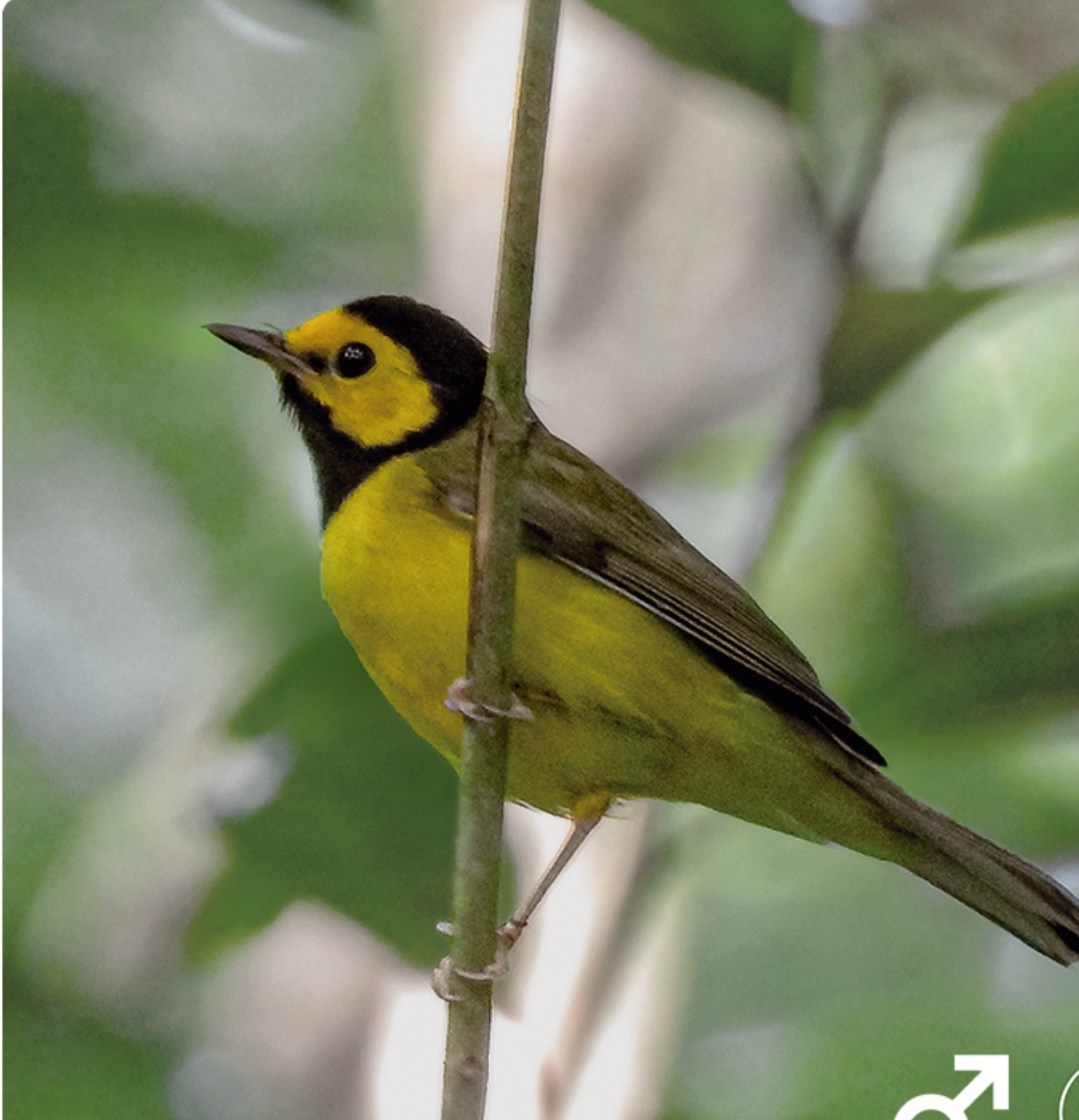
Hooded warbler — Setophaga citrina
Setophaga citrina

Hooded warbler

In SpanishChipe encapuchado
Migratory

Small bird (13 cm), yellow with an olive back. The male has a distinctive black hood; in the female, white tail spots set it apart. Ranges from the eastern United States to Panama; a winter resident.
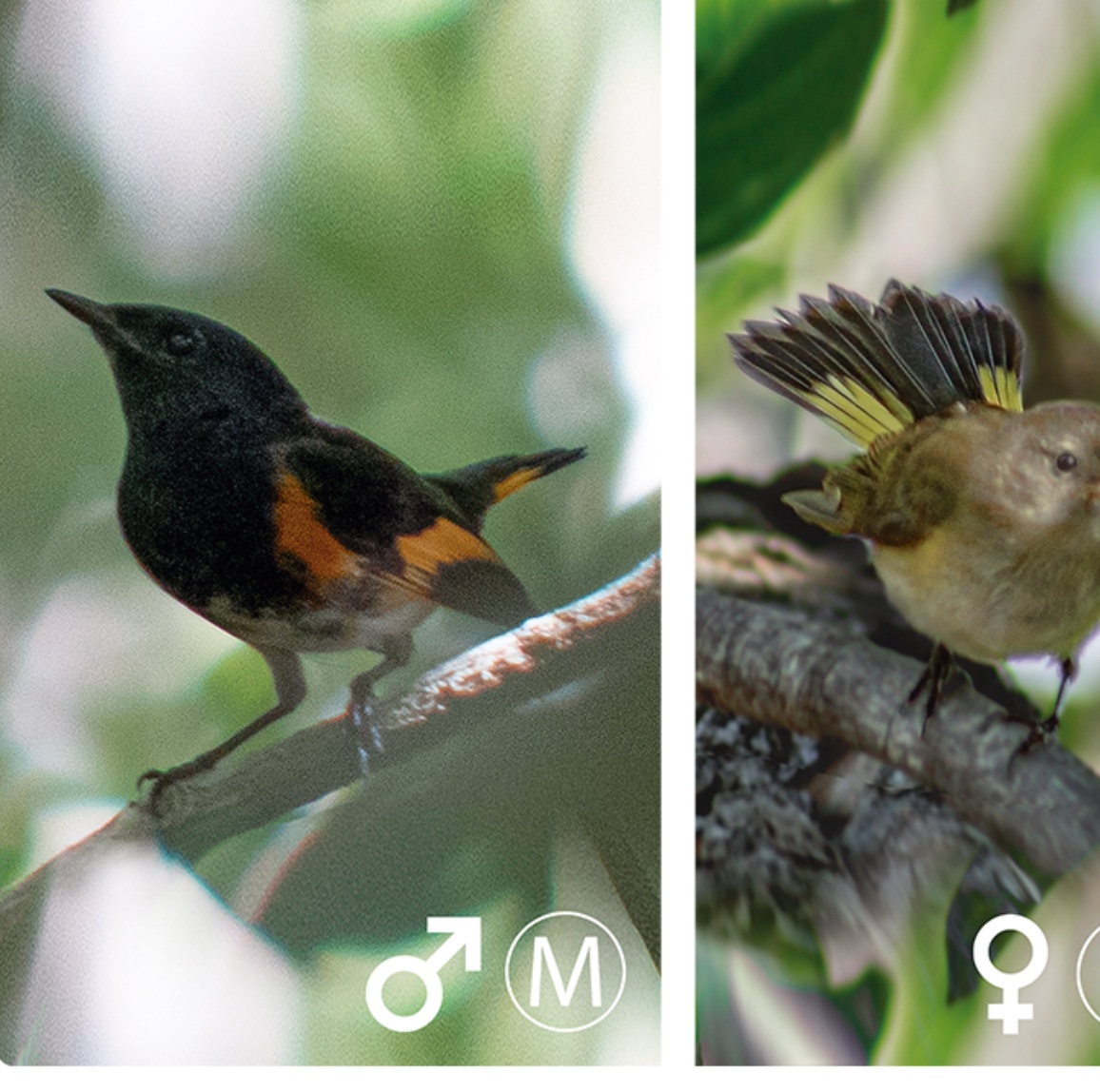
American redstart — Setophaga ruticilla
Setophaga ruticilla

American redstart

In SpanishPavito migratorio
Migratory

Small bird (13 cm); males are black with orange patches on wings, tail and sides. Females and juveniles have a gray head, olive back and yellow patches. Ranges from Canada to Brazil.

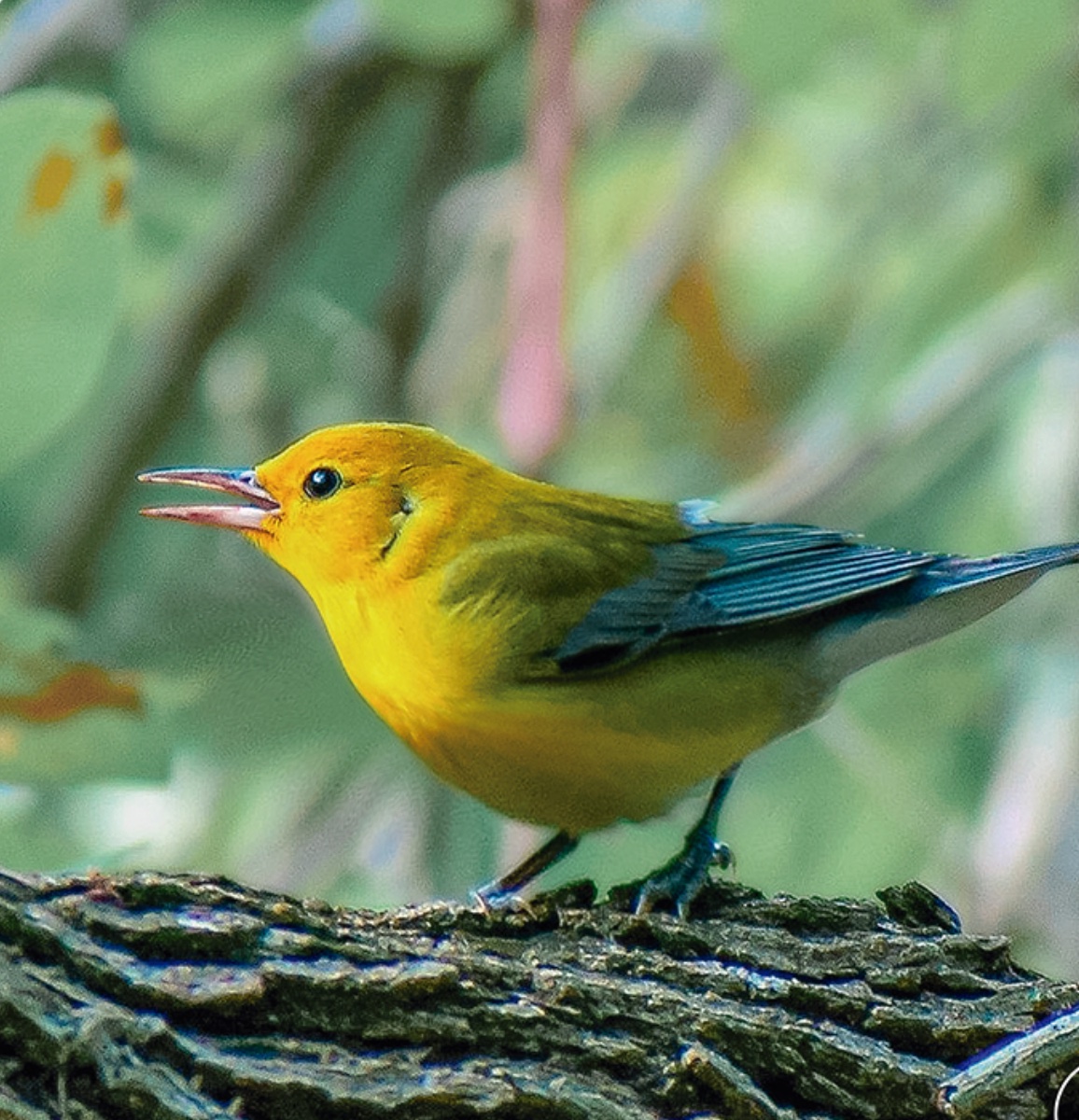
Prothonotary warbler — Protonotaria citrea
Protonotaria citrea

Prothonotary warbler

In SpanishChipe dorado
Migratory

Small bird (15 cm), deep yellow on head and breast, with a white rump and blue-gray wings and tail. Ranges from the eastern United States to South America, wintering in the Yucatan Peninsula.

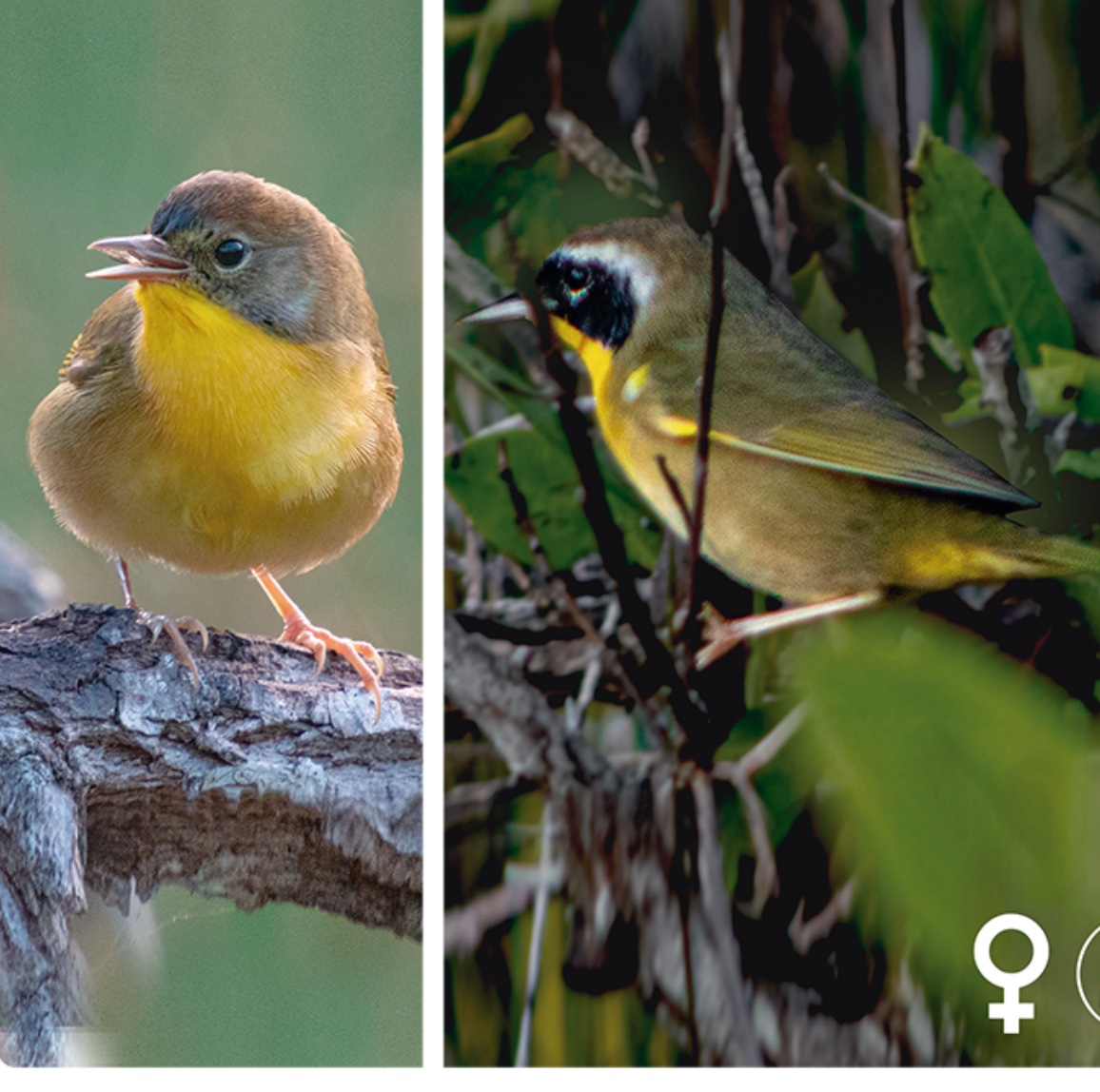
Common yellowthroat — Geothlypis trichas
Geothlypis trichas

Common yellowthroat

In SpanishMascarita común
Migratory

Small bird (13 cm), olive above with a bright yellow throat. Adult males have a black mask edged with gray. Ranges from Canada to northern South America; considered a winter resident.

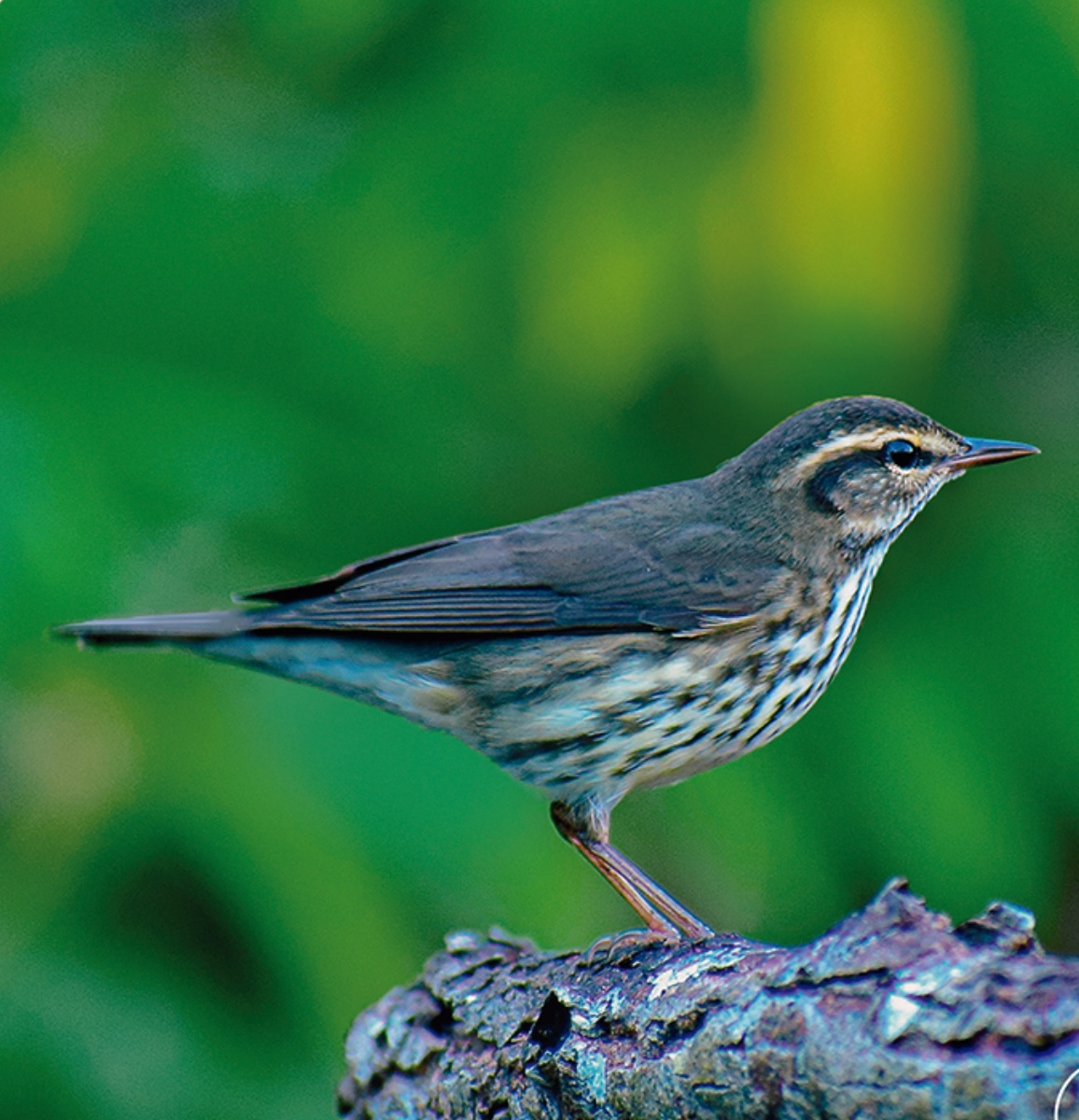
Northern waterthrush — Parkesia noveboracensis
Parkesia noveboracensis

Northern waterthrush

MayaChuchuy nej
In SpanishChipe charquero
Migratory

Small bird (15 cm). Like the Louisiana waterthrush, it has a brown back and white underparts with dark streaks and a pale eyebrow. Told apart by its cream eyebrow and darker streaking. Ranges from Canada to Peru; considered a winter resident.

Mimidae3 species
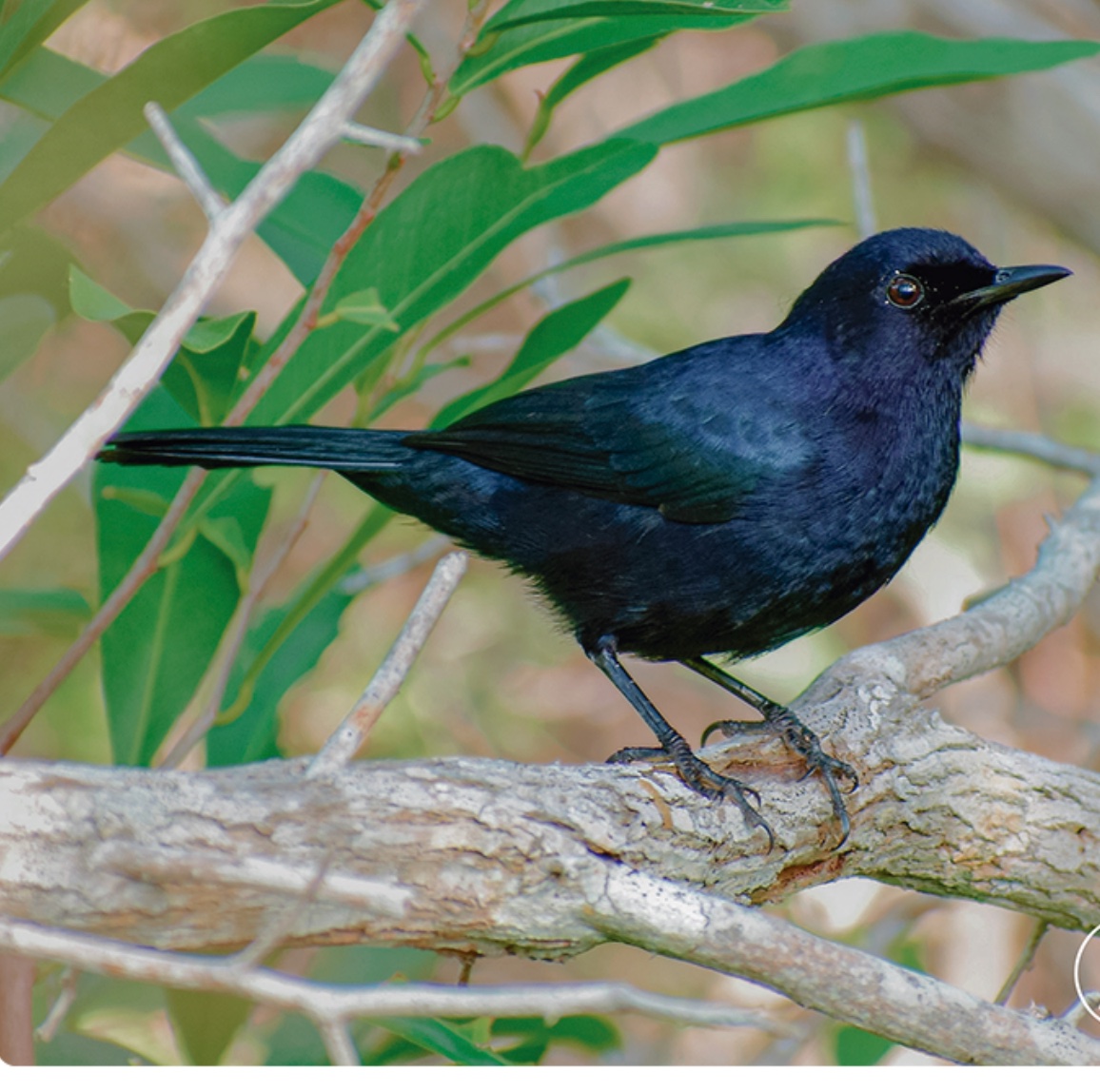
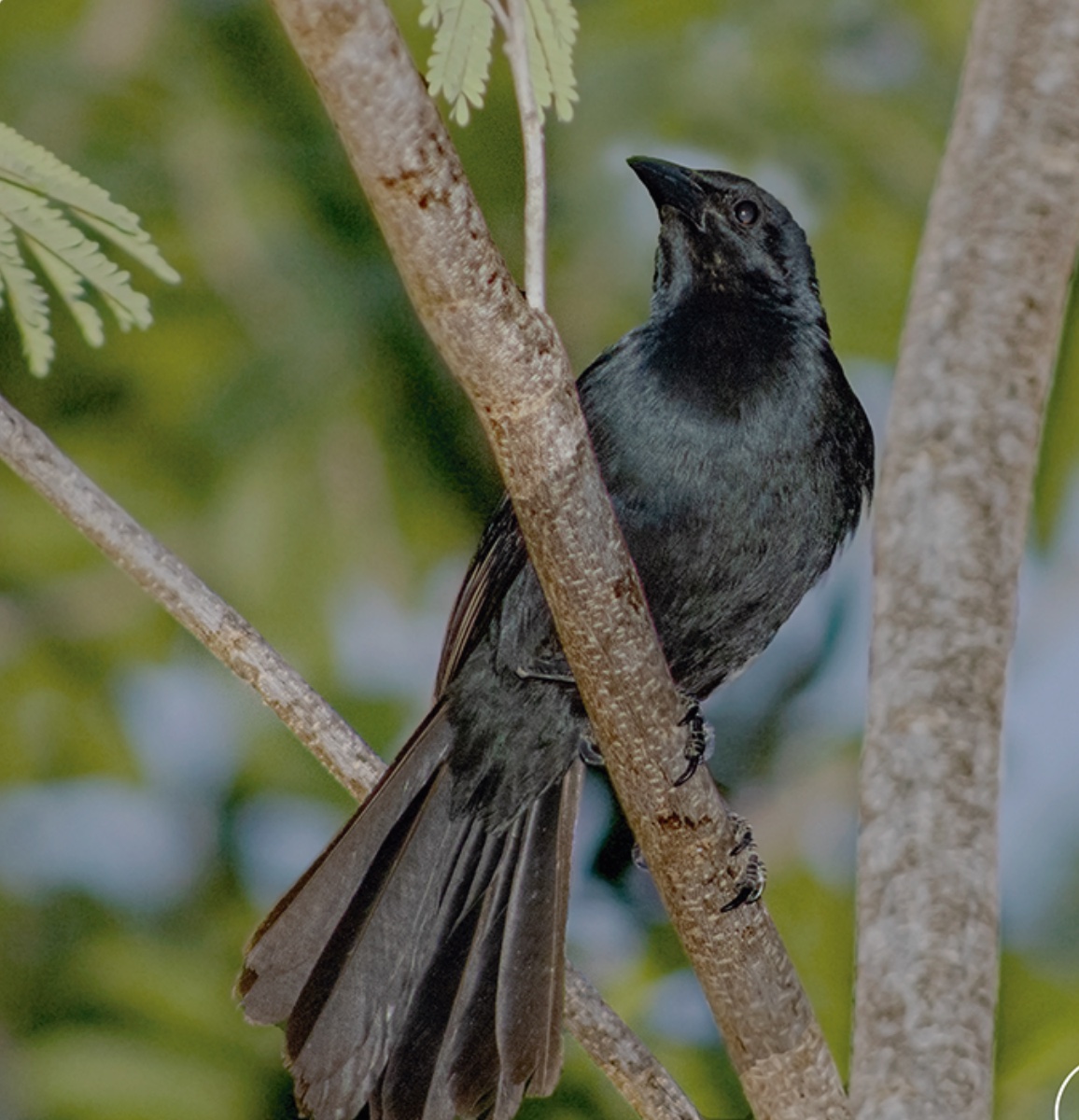
Black catbird — Melanoptila glabrirostris
Melanoptila glabrirostris

Black catbird

MayaSibaban, Dzibaban
In SpanishMaullador negro
EndemicPr · Special protectionResident

Medium bird (20 cm) with glossy black plumage, told from other black birds by its slender bill. Endemic to the Yucatan Peninsula, ranging to northern Belize and Honduras.

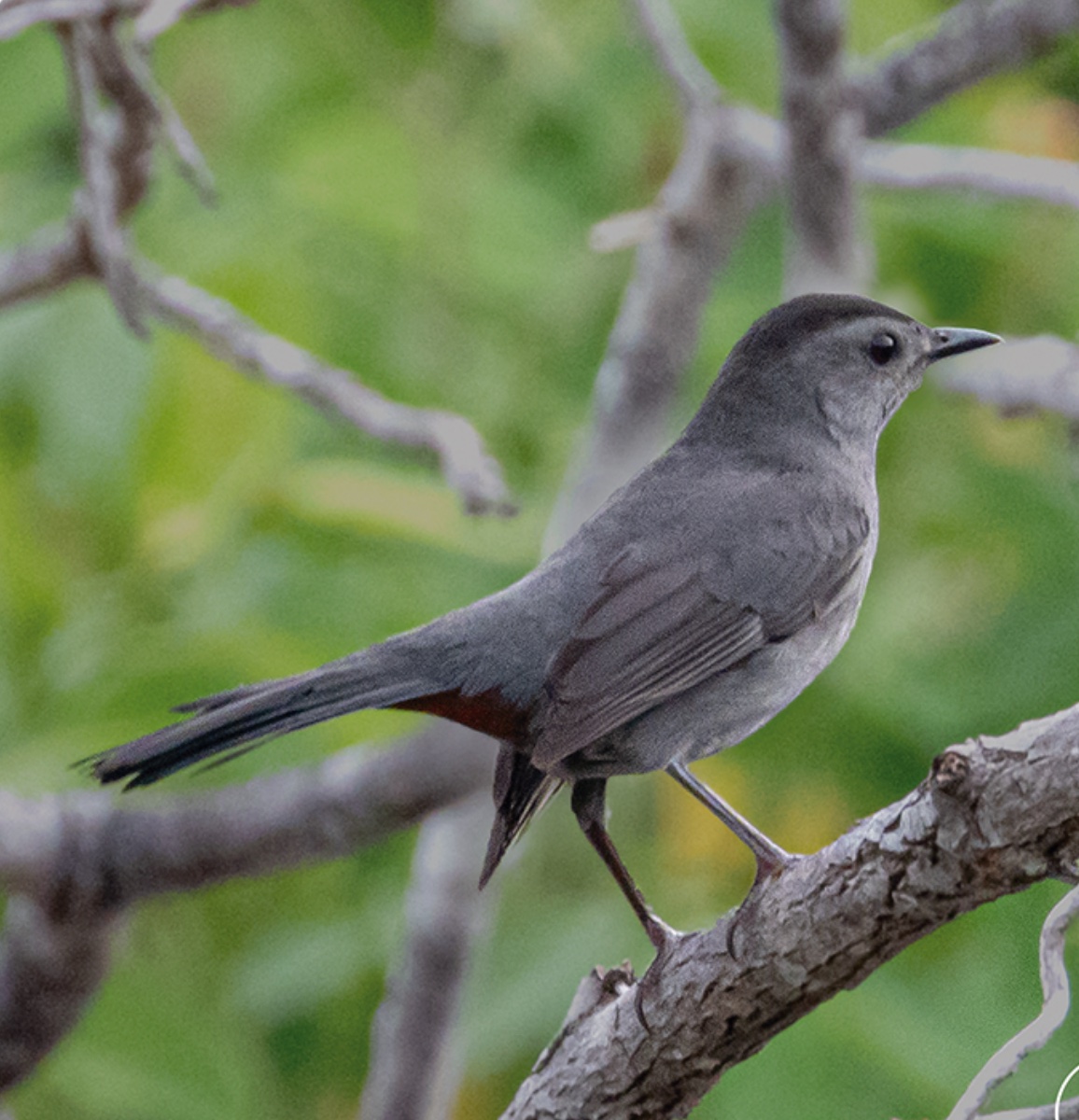
Gray catbird — Dumetella carolinensis
Dumetella carolinensis

Gray catbird

MayaCh'iich' miis
In SpanishMaullador gris
Migratory

Medium bird (22 cm), plain gray with a dark crown and rufous undertail, its silhouette like the black catbird's. Ranges from Canada to Panama, wintering in the Yucatan Peninsula.

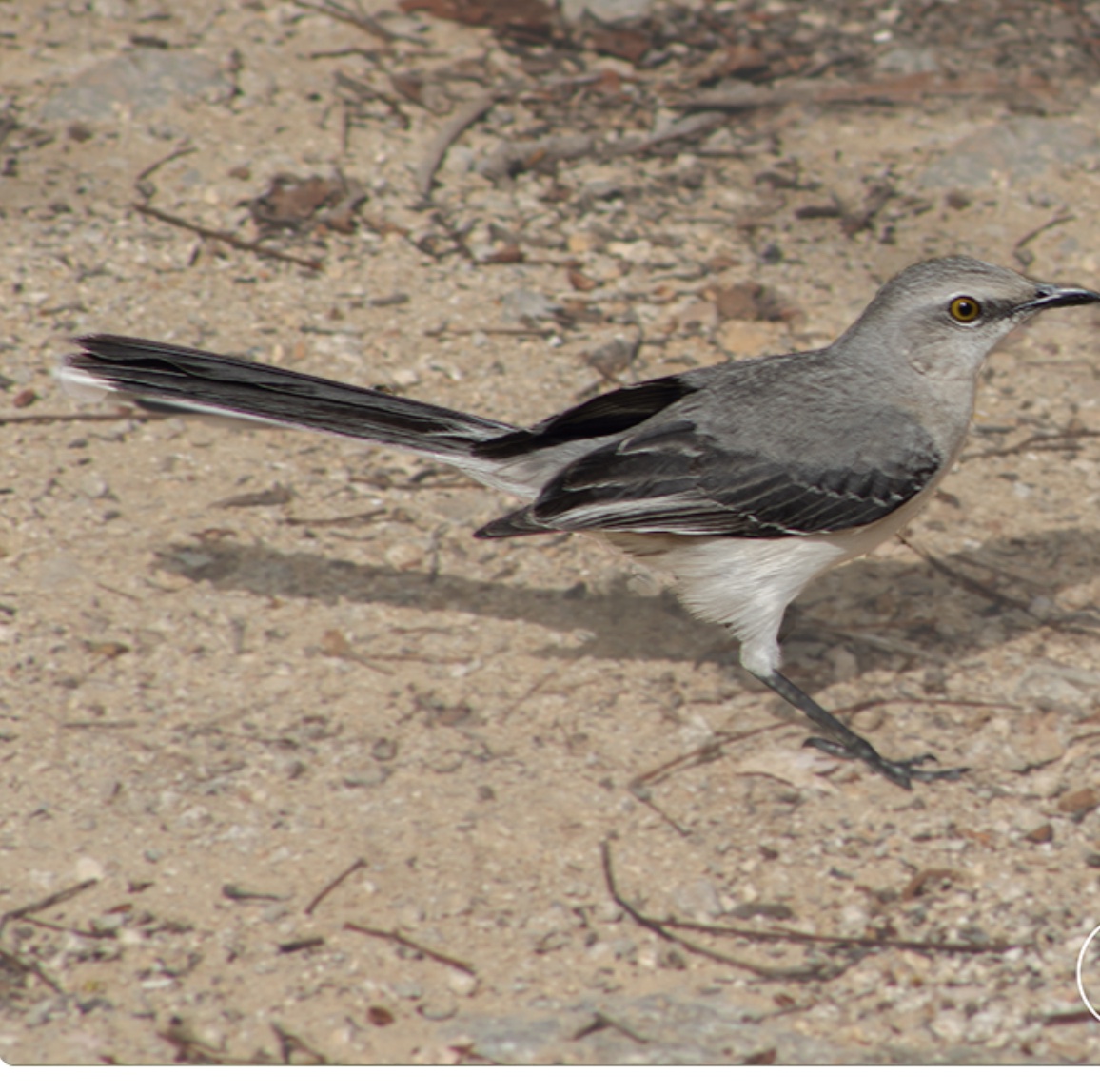
Tropical mockingbird — Mimus gilvus
Mimus gilvus

Tropical mockingbird

MayaChika
In SpanishCenzontle tropical
Resident

Medium bird (24 cm), gray to silvery above and white below, with a gray tail and gray-and-black wings. Ranges from southern Mexico to northeastern South America.

Hirundinidae / Apodidae1 species
Swallows & swifts — Stelgidopteryx sp. · Chaetura sp.
Stelgidopteryx sp. · Chaetura sp.

Swallows & swifts

MayaKusam
In SpanishGolondrinas y vencejos
Resident

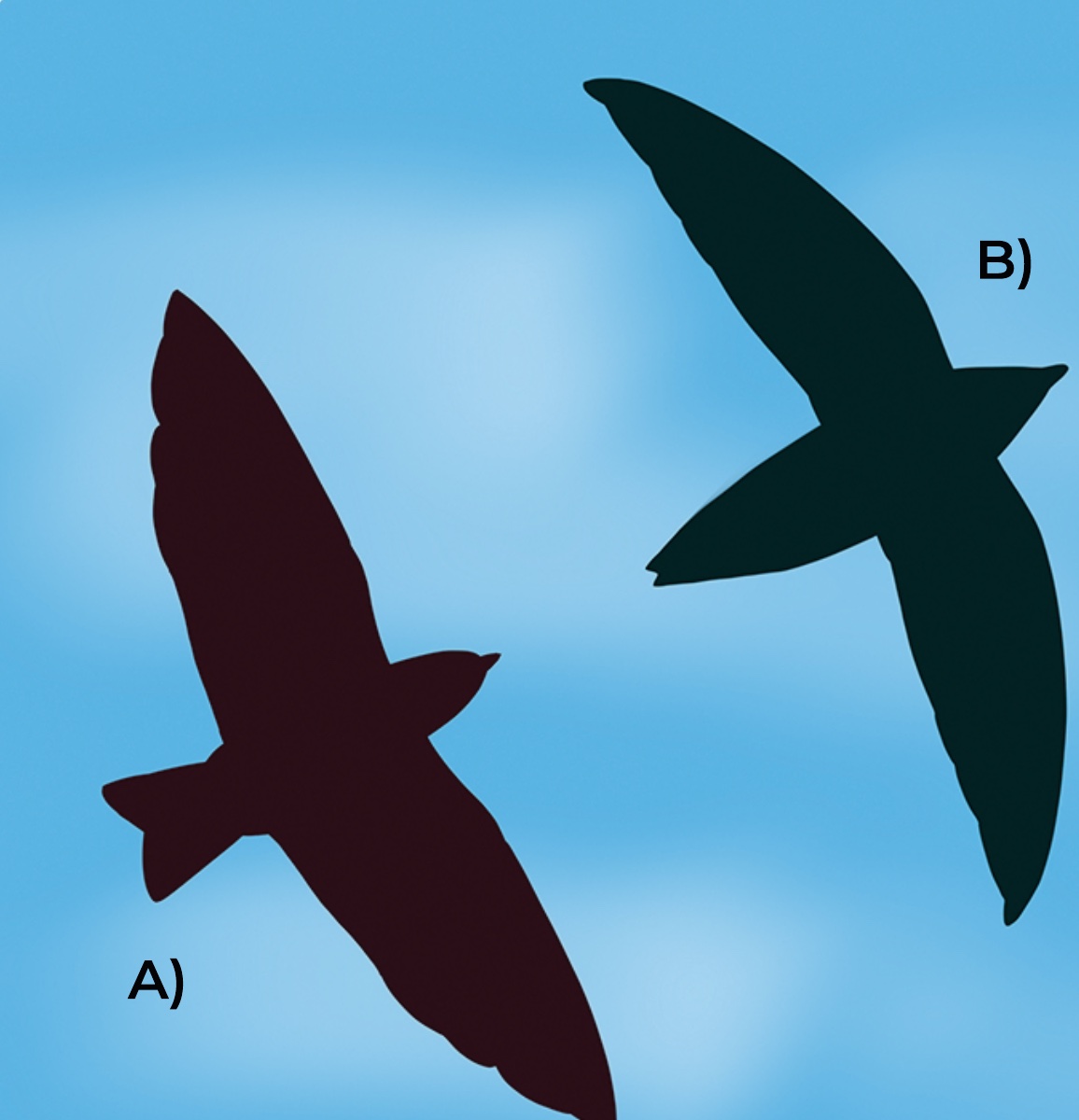
Several species of swallows (A) and swifts (B) occur in Tulum National Park; the commonest genera are Stelgidopteryx (swallows) and Chaetura (swifts). Swifts gather in flocks of up to hundreds. They are told apart by their silhouette in flight.

Trochilidae2 species
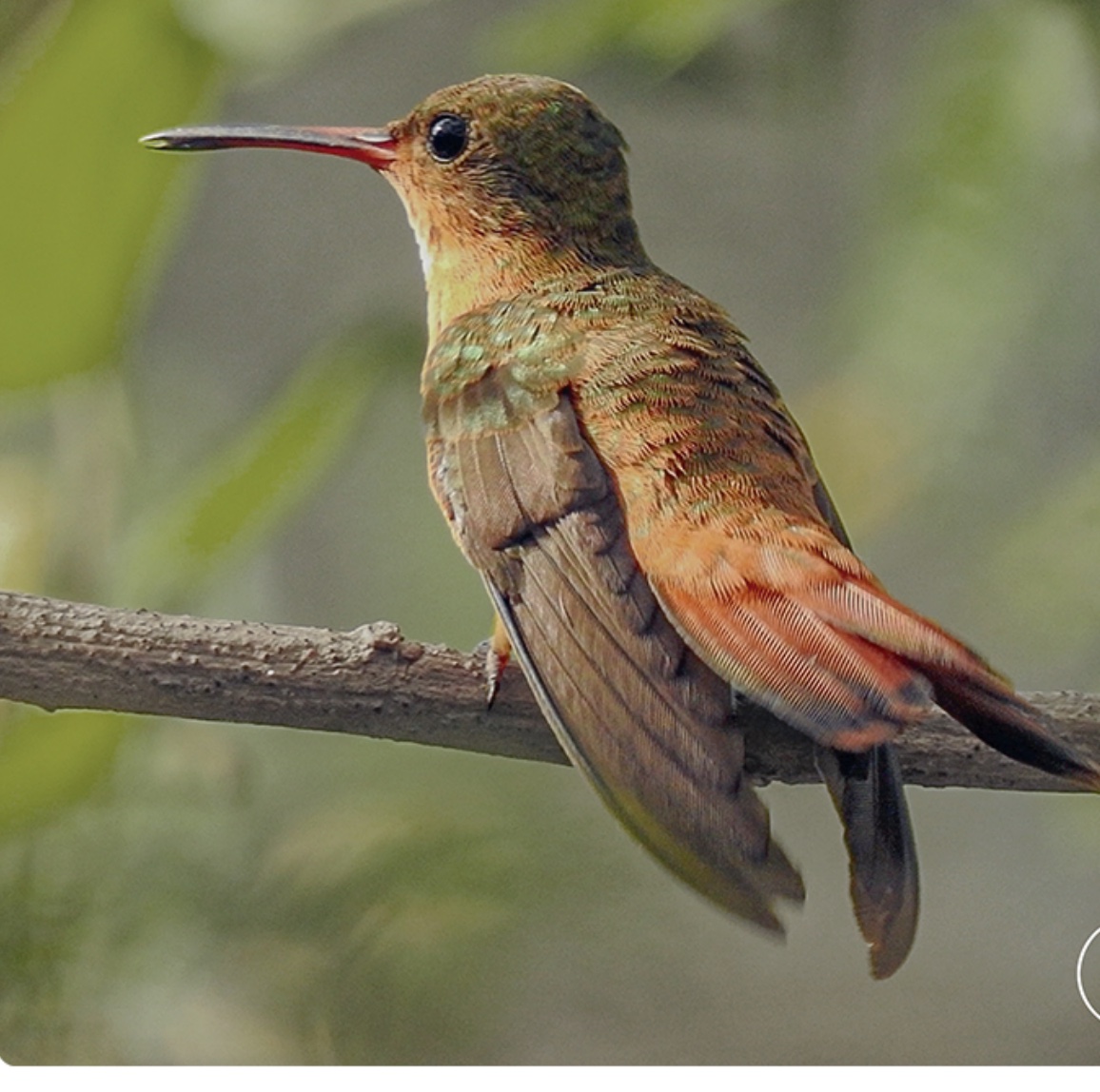
Cinnamon hummingbird — Amazilia rutila
Amazilia rutila

Cinnamon hummingbird

MayaX ts'unu'um
In SpanishColibrí canelo
Resident

Small bird (13 cm); the bill is straight with a black tip in males, and black above / reddish below in females and juveniles. Recognized by its cinnamon breast and belly. Ranges from Mexico to Costa Rica.

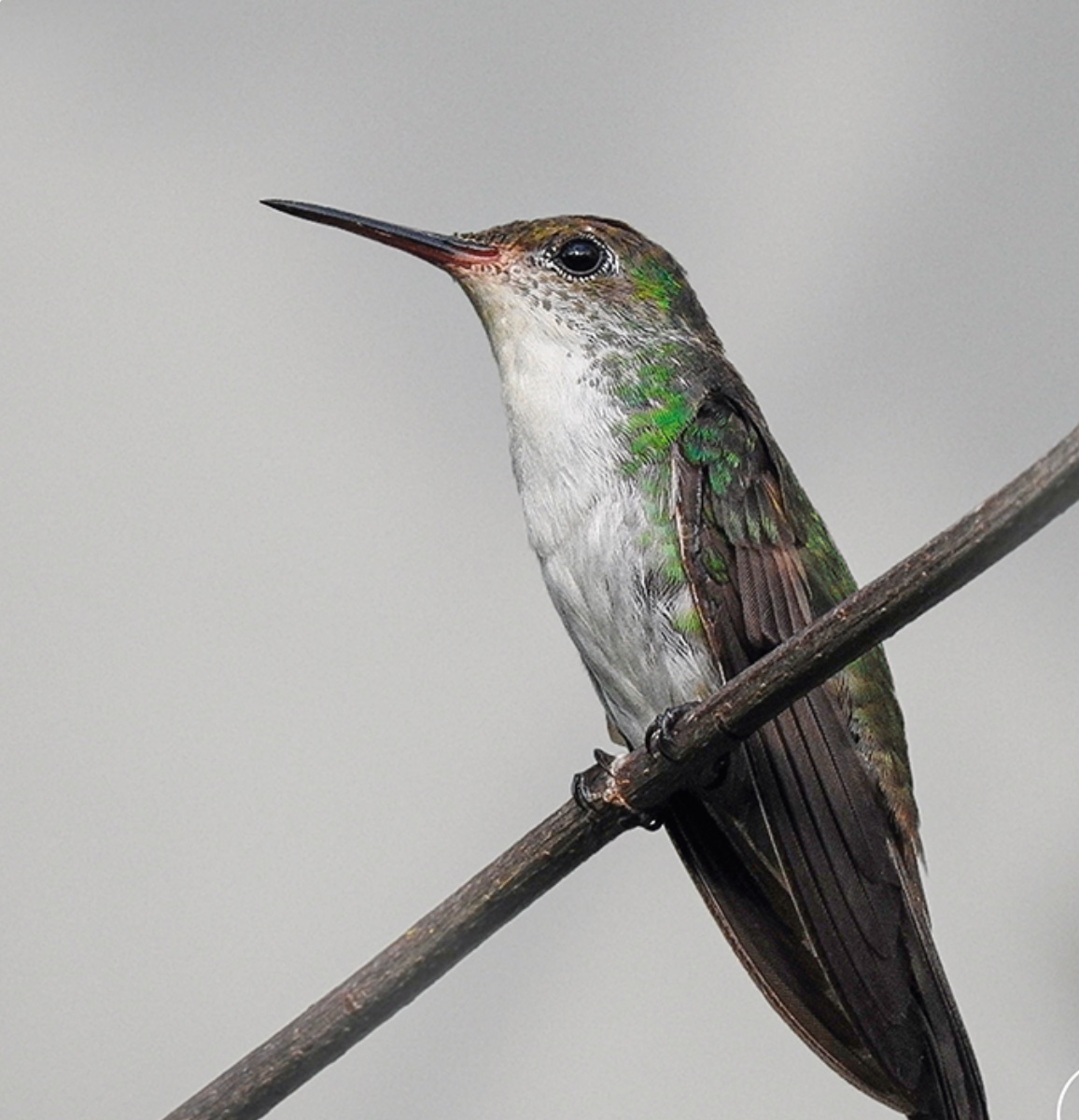
White-bellied emerald — Chlorestes candida
Chlorestes candida

White-bellied emerald

MayaX ts'unu'um
In SpanishColibrí cándido
Resident

Tiny bird (9 cm) with a green back, white belly and olive tail. The base of the bill is reddish. Ranges from Mexico to Honduras and Nicaragua.

Tyrannidae5 species
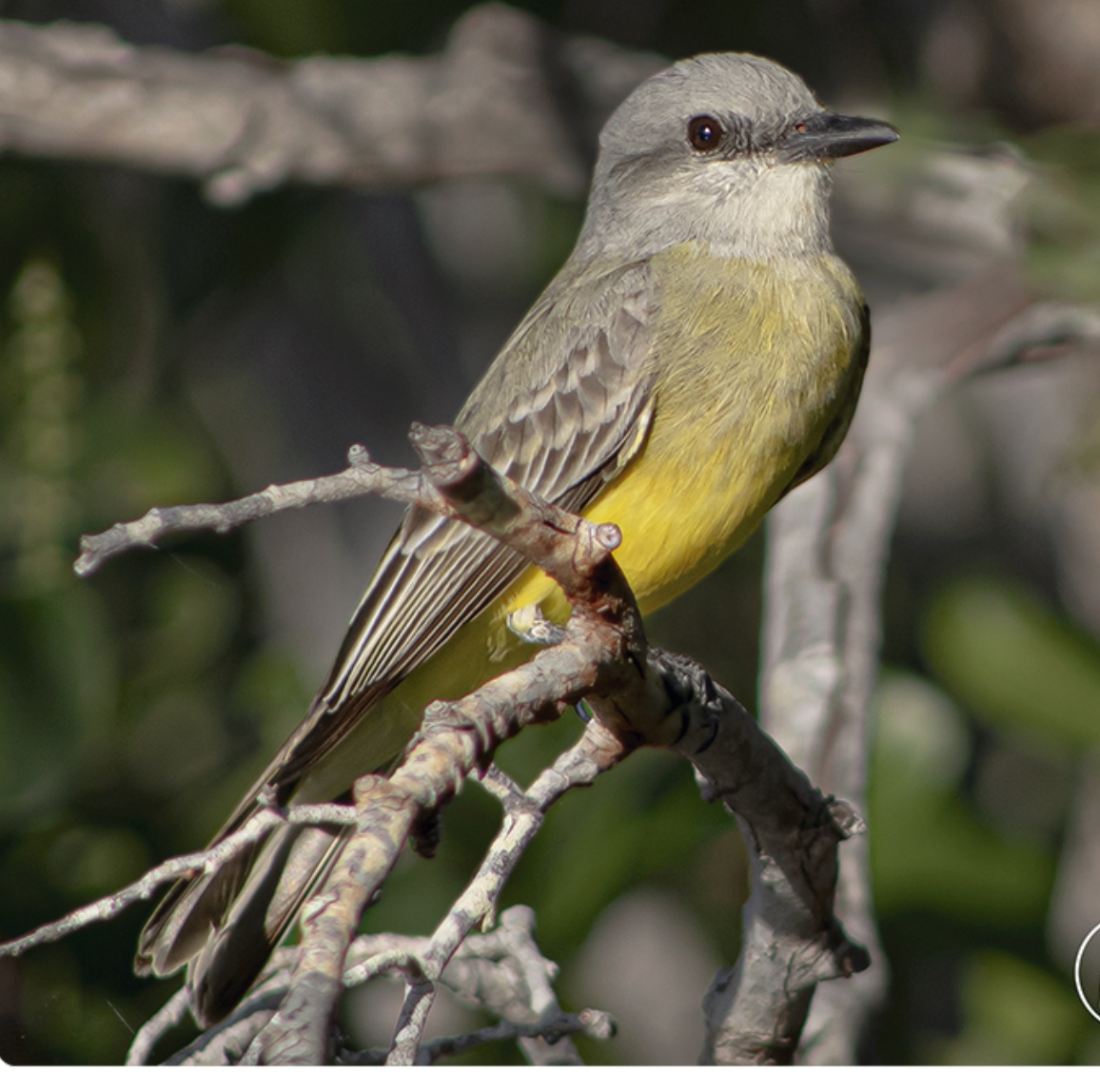
Tropical / Couch's kingbird — Tyrannus melancholicus · T. couchii
Tyrannus melancholicus · T. couchii

Tropical / Couch's kingbird

MayaX takay
In SpanishTirano pirirí / Tirano cuir
Resident

Medium birds (22 cm), yellow-bellied with a gray head and back and brown wings and tail. In the field the only way to tell them apart is by voice. Tropical kingbird ranges Mexico to Peru; Couch's, Texas to Guatemala.

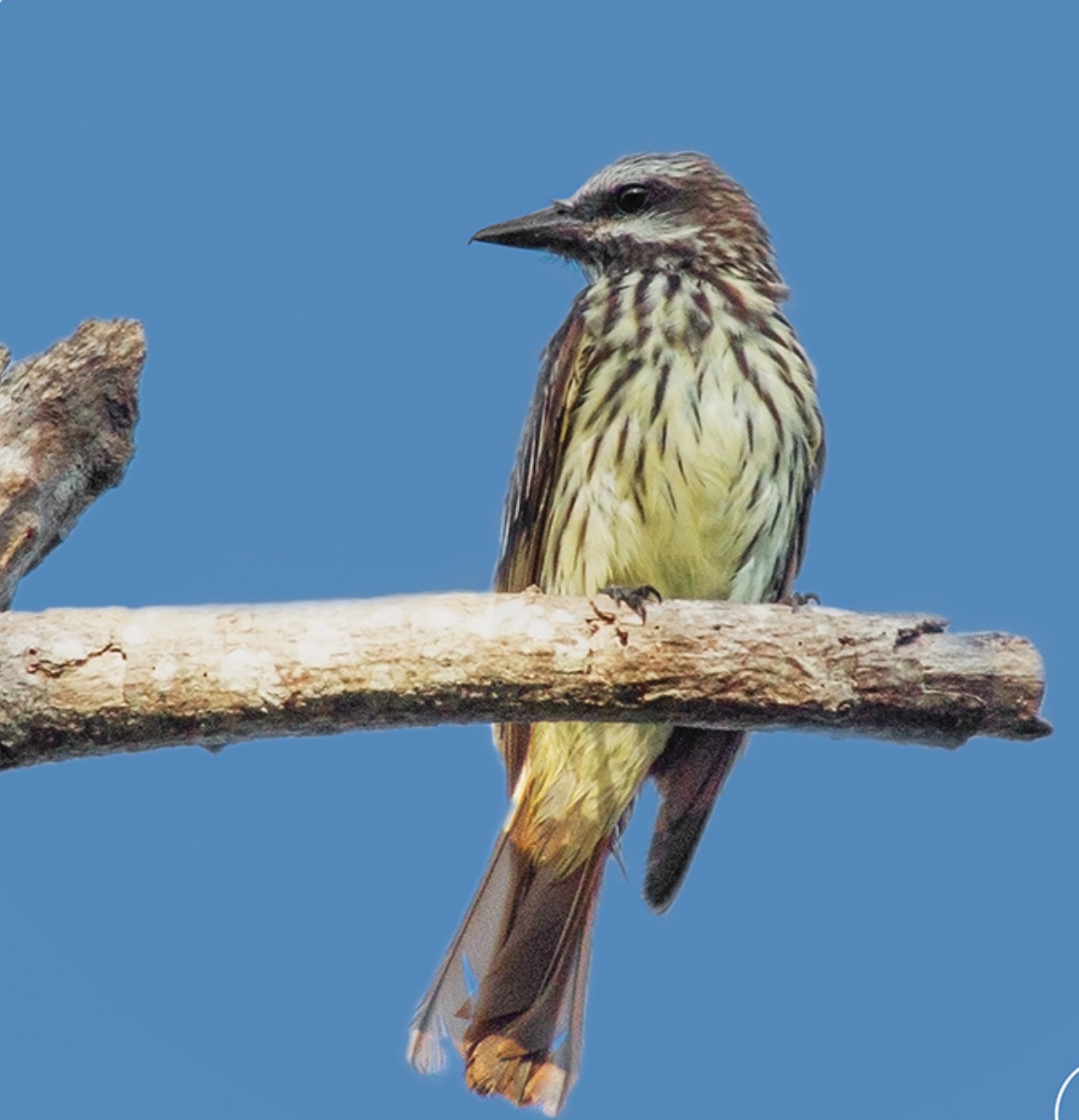
Sulphur-bellied flycatcher — Myiodynastes luteiventris
Myiodynastes luteiventris

Sulphur-bellied flycatcher

MayaTs'its'iba x takay
In SpanishPapamoscas rayado común
Migratory

Medium bird (20 cm), heavily streaked, with a bright yellow belly, rufous-brown tail, black bill and white eyebrow. Ranges from Canada to Panama; a summer resident in the Yucatan Peninsula.

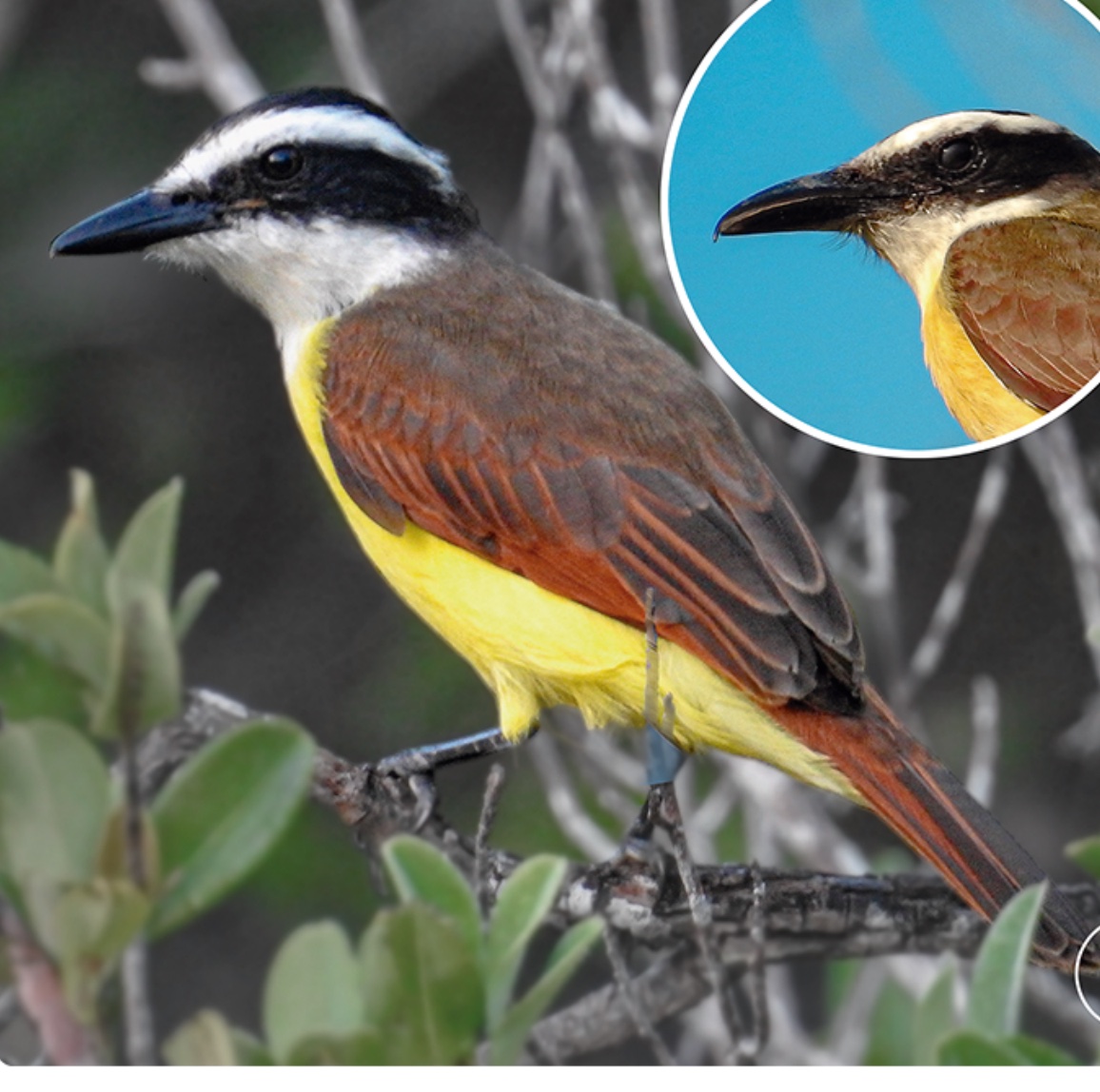
Great kiskadee / Boat-billed flycatcher — Pitangus sulphuratus · Megarynchus pitangua
Pitangus sulphuratus · Megarynchus pitangua

Great kiskadee / Boat-billed flycatcher

MayaX takay
In SpanishLuis bienteveo / Luis pico grueso
Resident

Medium birds (24 cm), yellow-bellied, with brown (kiskadee) or olive (boat-billed) wings and tail. The main difference between them is the size and shape of the bill. They range from the United States to South America.

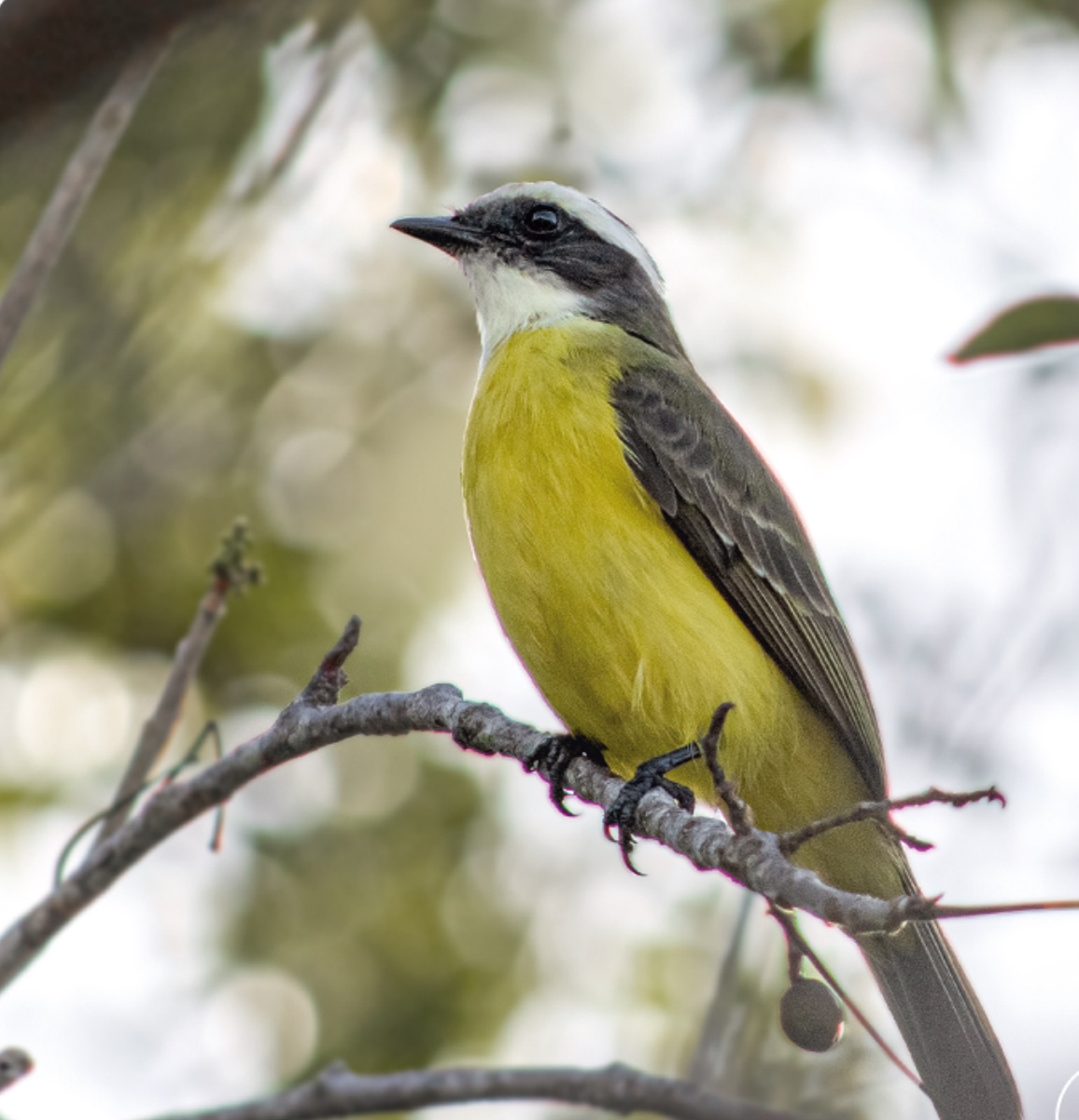
Social flycatcher — Myiozetetes similis
Myiozetetes similis

Social flycatcher

MayaX takay
In SpanishLuis común
Resident

Small-to-medium bird (18 cm), common in Tulum National Park. It is the smallest of the kiskadee-type flycatchers, told from the others by its smaller bill. Ranges from Mexico to Peru.

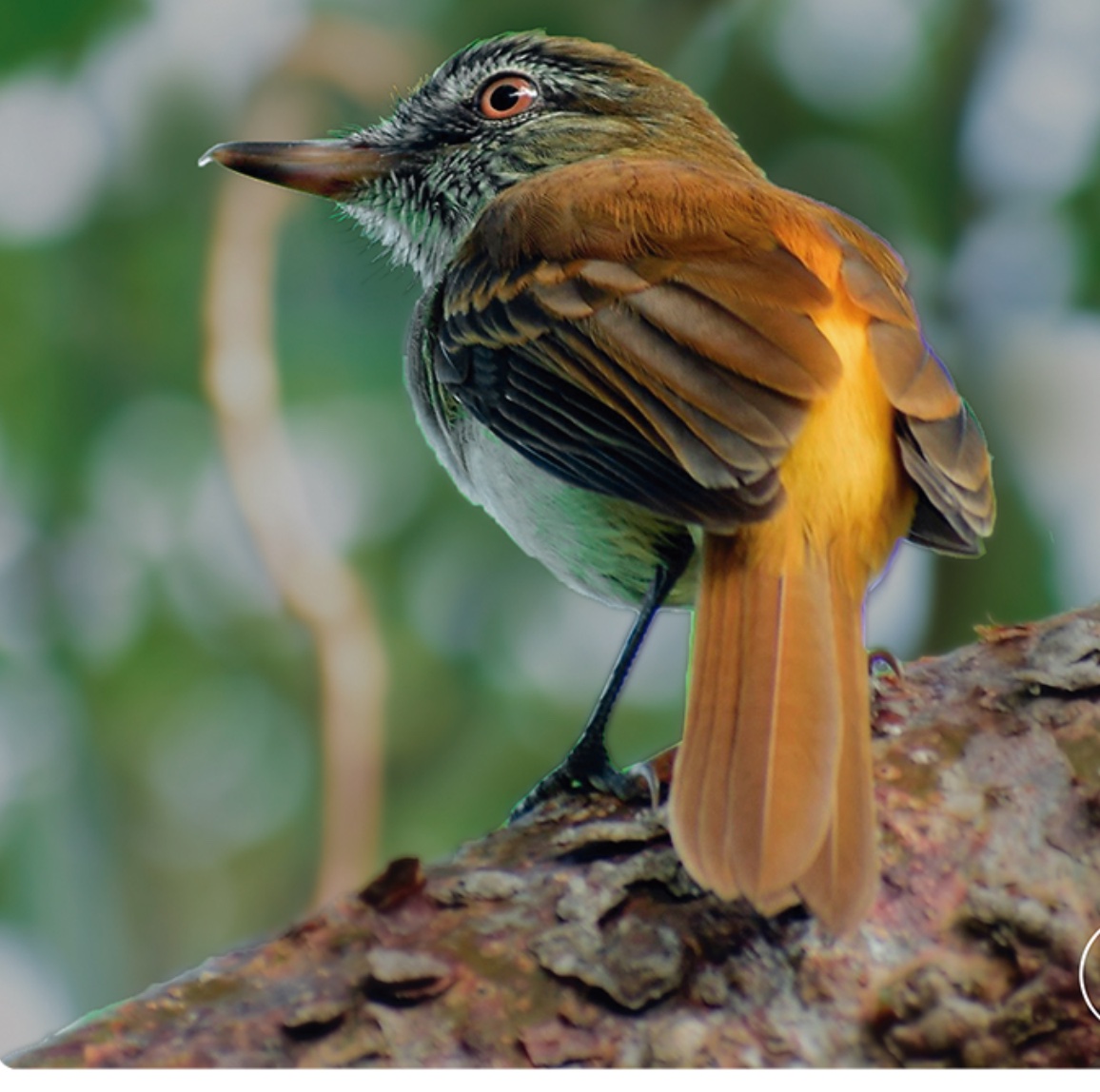
Bright-rumped attila — Attila spadiceus
Attila spadiceus

Bright-rumped attila

In SpanishMosquero atila
Resident

Small-to-medium bird (20 cm) with a brown back, yellow rump, streaked breast and a hooked bill tip. Ranges from Mexico to Ecuador and Brazil.

Tityridae1 species
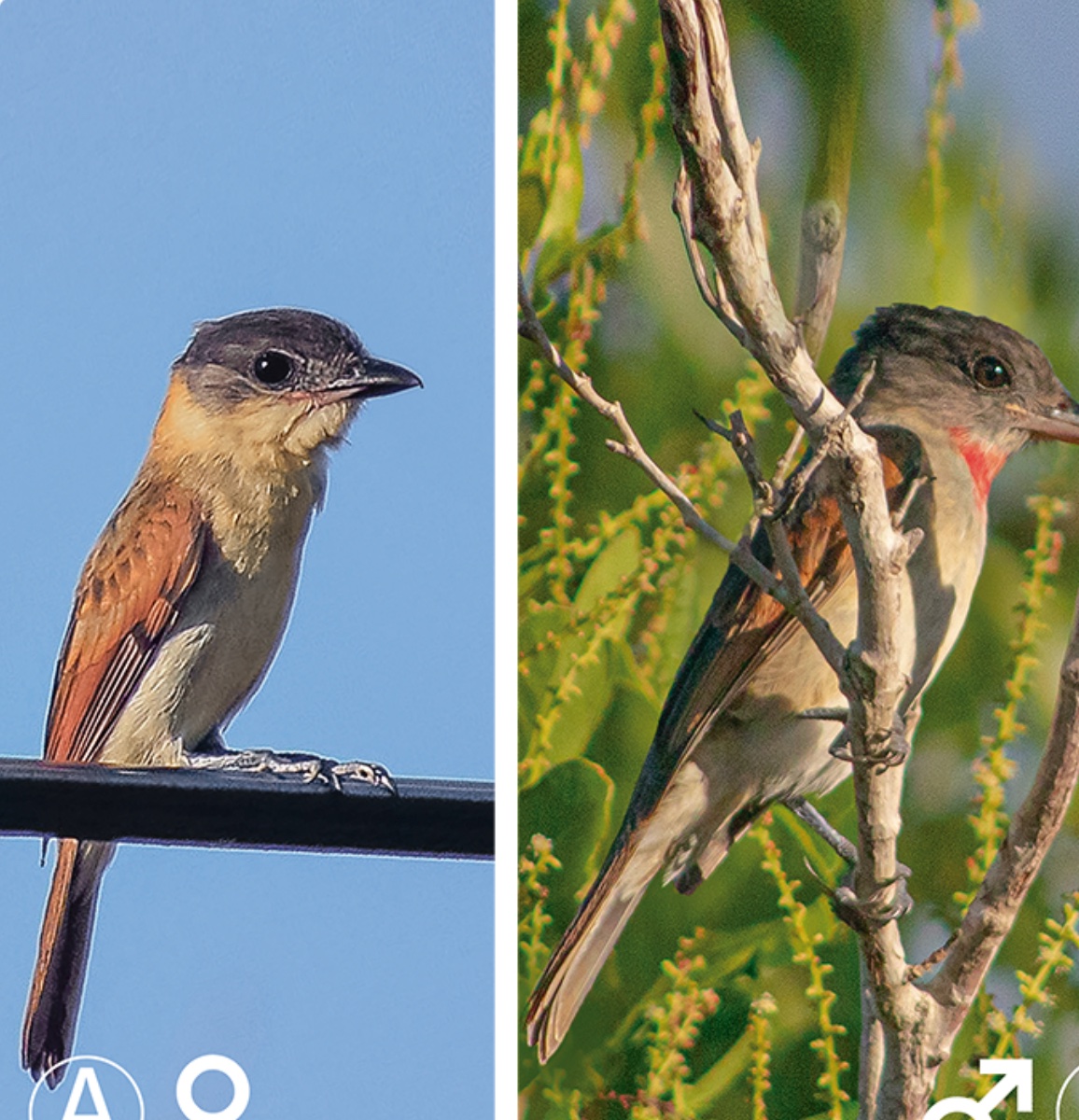
Rose-throated becard — Pachyramphus aglaiae
Pachyramphus aglaiae

Rose-throated becard

MayaSapatan, Yaaj
In SpanishCabezón degollado
Resident

Small bird (17 cm) with a large head, dark gray crown, gray body and brown wings. Females and juveniles have a brown back; males have a dark gray back and a rose-red throat. Ranges from the United States to Panama.

Icteridae4 species
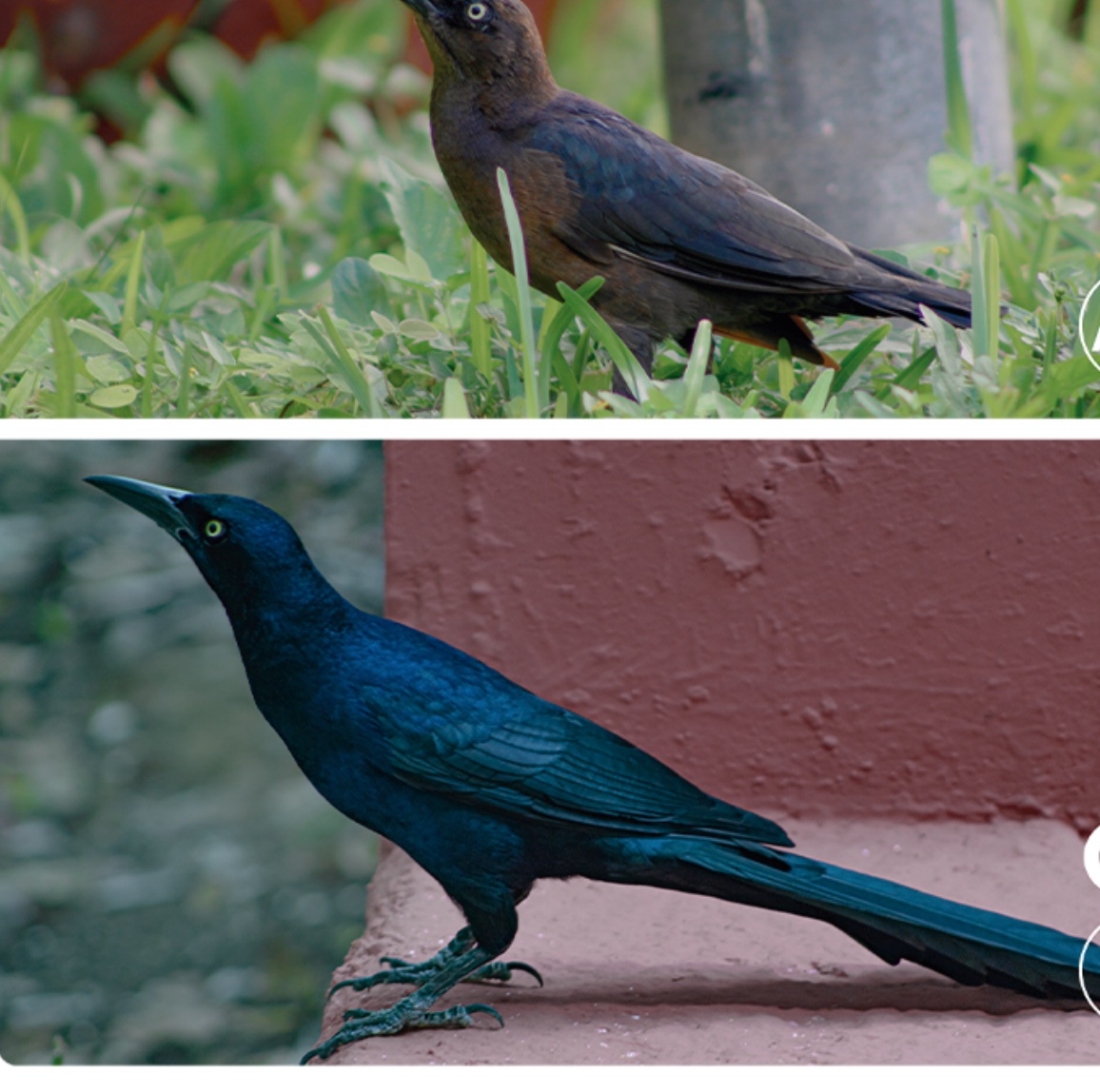
Great-tailed grackle — Quiscalus mexicanus
Quiscalus mexicanus

Great-tailed grackle

MayaK'awis, K'au
In SpanishZanate
Resident

Medium bird (29–41 cm). Males are blue-black with a long tail; the smaller females are dark brown. Told from other black birds by the long bill and yellow-to-white eyes. Ranges from the United States to Peru.

Melodious blackbird — Dives dives
Dives dives

Melodious blackbird

MayaPiich
In SpanishTordo cantor
Resident

Medium bird (26 cm), deep black. Told from the grackle by its shorter bill, dark eyes and characteristic song. Ranges from Mexico to Costa Rica.

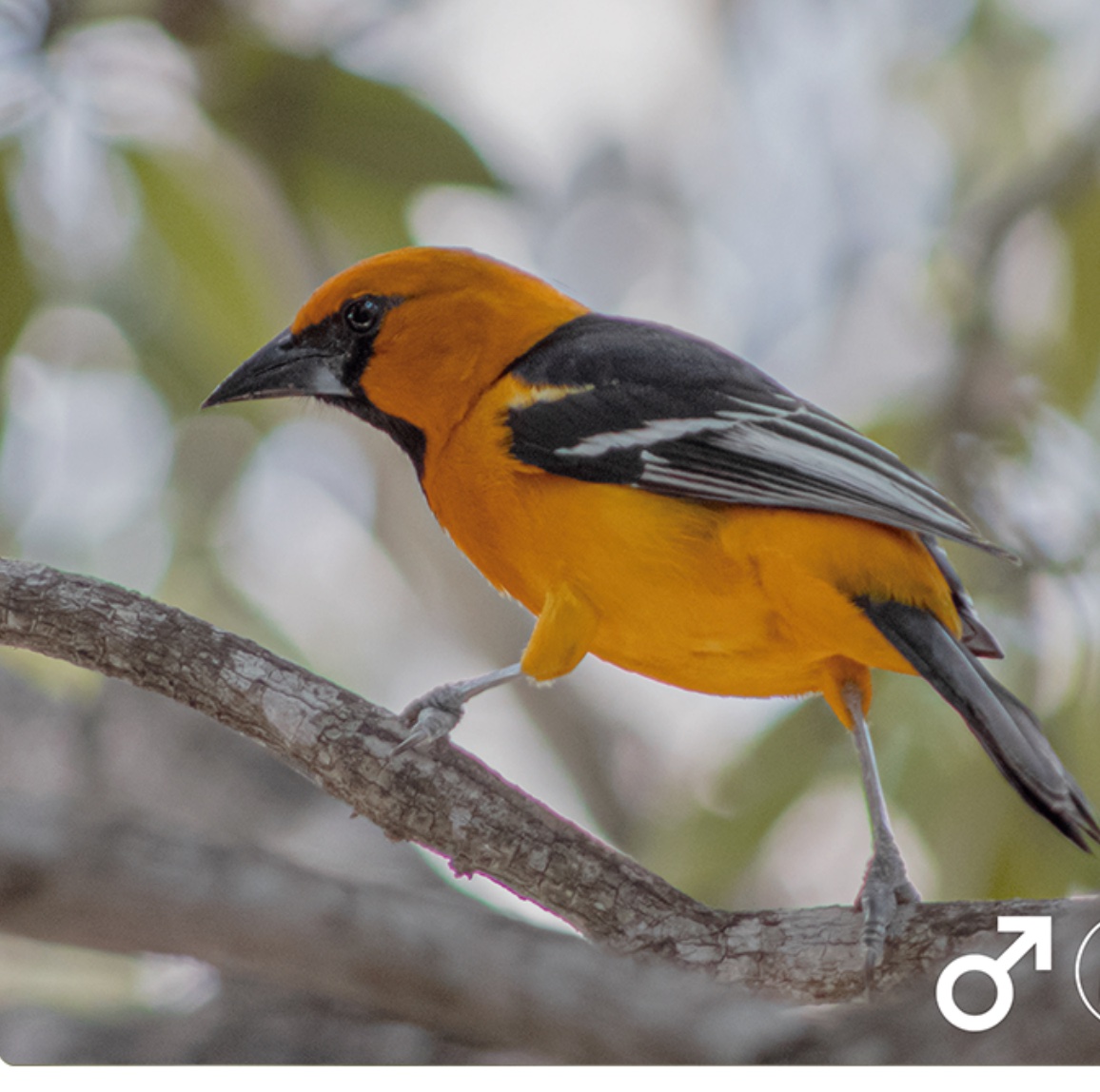
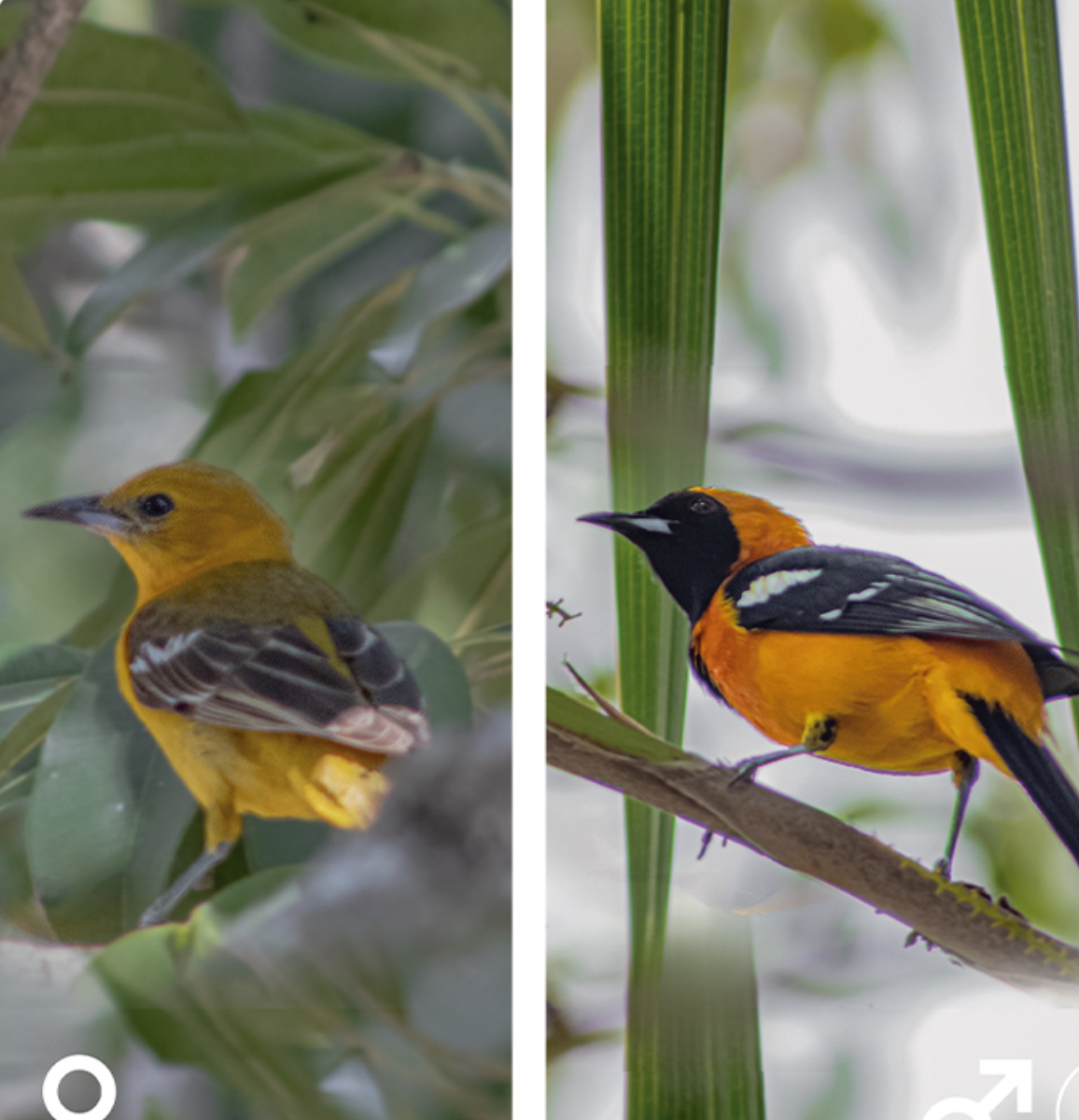
Altamira oriole — Icterus gularis
Icterus gularis

Altamira oriole

MayaYuya, Yuyum
In SpanishCalandria dorso negro mayor
Resident

Medium bird (24 cm); the largest oriole in the region. Males are told by the yellow forehead and cheeks and the yellow triangle on the wing. Females are pale yellow with a gray back. Ranges from the United States to Belize and Nicaragua.

Hooded oriole — Icterus cucullatus
Icterus cucullatus

Hooded oriole

MayaYuya, Yuyum
In SpanishCalandria dorso negro menor
Resident

Small-to-medium bird (19 cm). Males differ from the Altamira oriole by their black forehead and cheeks, white wing bars and slimmer bill. Females are pale yellow with a gray back. Ranges from the United States to Belize.

Picidae2 species
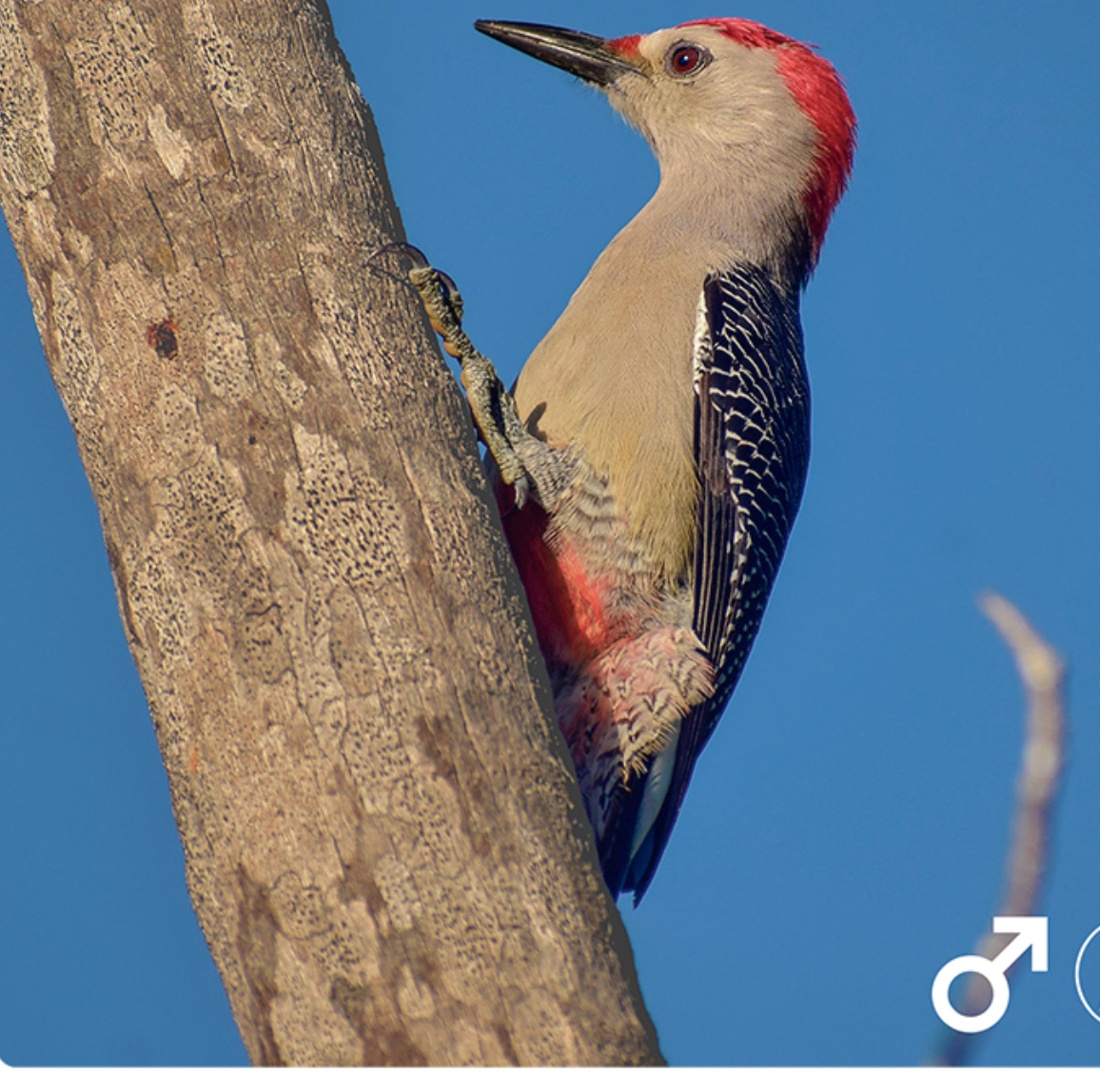
Golden-fronted woodpecker — Melanerpes aurifrons
Melanerpes aurifrons

Golden-fronted woodpecker

MayaCh'ejum, Ch'ujum
In SpanishCarpintero cheje
Resident

Medium bird (25 cm) with a gray body, black-and-white barred back and a red rump. Females have a gray crown with red only on forehead and nape. Very similar to the Yucatan woodpecker, which is smaller and shorter-billed. Ranges from the United States to Central America.

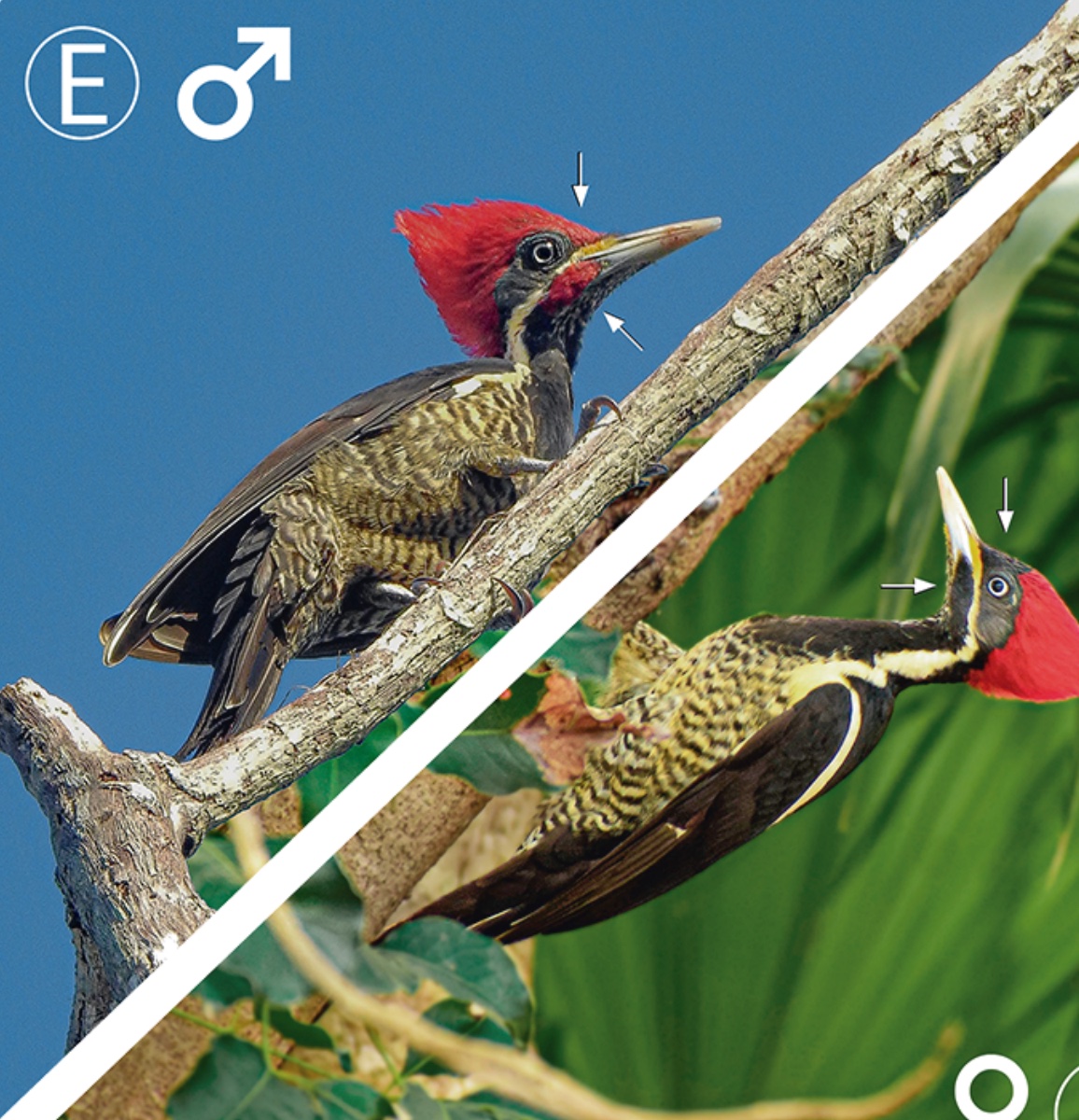
Lineated woodpecker — Dryocopus lineatus
Dryocopus lineatus

Lineated woodpecker

MayaKolonté
In SpanishCarpintero lineado
Resident

Medium bird (33 cm). Told from similar woodpeckers by a distinctive white band running across the whole face. Males are recognized by the red on cheeks and forehead. Ranges from Mexico to northern Argentina.

Corvidae1 species
Yucatan jay — Cyanocorax yucatanicus
Cyanocorax yucatanicus

Yucatan jay

MayaCh'eel
In SpanishChara yucateca
EndemicResident

Medium bird (33 cm), common in Tulum National Park. Adults have blue wings and a black body, bill and eye-ring; juveniles are white-bodied with a yellow bill, legs and eye-ring. Endemic to the Yucatan Peninsula, northern Belize and Guatemala.

Cracidae1 species
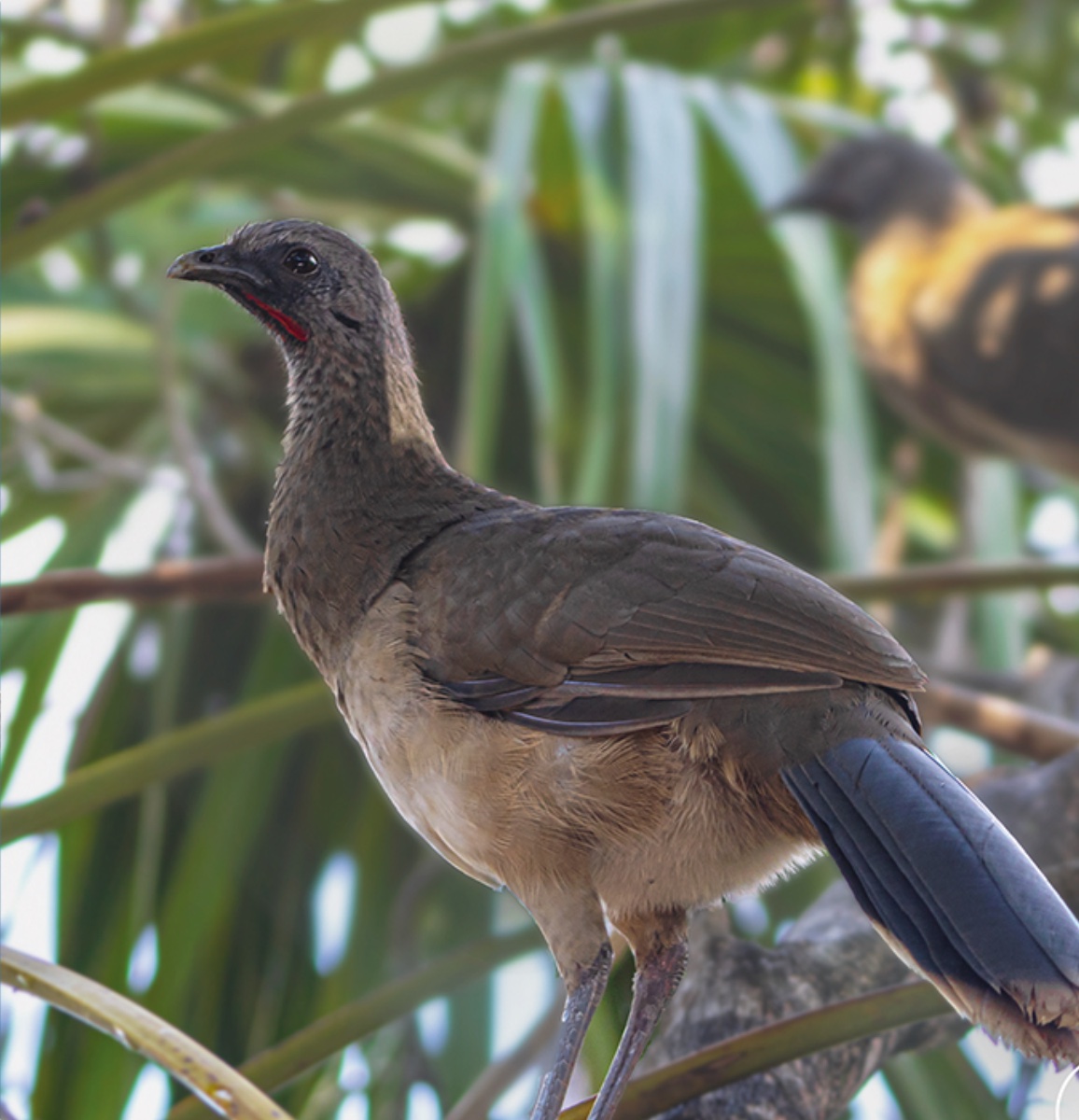
Plain chachalaca — Ortalis vetula
Ortalis vetula

Plain chachalaca

MayaBaach'
In SpanishChachalaca oriental
Resident

Medium-to-large bird (48 cm), grayish brown with pale underparts and a long, white-tipped tail. The red of its throat is sometimes visible. Ranges from southeastern Mexico to Brazil.

Credits & sources

This guide was produced by the community monitoring brigade of Tulum National Park. Cover photograph: Valeria Juárez Lucero.

Photographs
  • Alejandro Murguía Monsalvo
  • Ana Luisa Talavera Sáenz
  • Daniel Emiliano Zarazúa Sánchez
  • Elizabeth R. Cen Batun
  • Jireth M. García Santana
  • Lizbeth Piña Medina
  • Marco A. Salazar Bermúdez
  • Valeria Juárez Lucero
References
  • eBird. 2022. eBird: An online database of bird distribution and abundance. Cornell Lab of Ornithology, Nueva York. ebird.org
  • Kaufman, K. 2005. Guía de campo para las aves de Norteamérica. Houghton Mifflin. 392 pp.
  • MacKinnon H., B. 2013. Sal a pajarear Yucatán: Guía de aves. La Vaca Independiente, México. 312 pp.

With thanks to the management of Tulum National Park and to the rangers who collaborated in the monitoring program, and to the Program for the Protection and Restoration of Ecosystems and Species at Risk (PROREST).

#avesPNT